If today’s Twitter threads are any indication, the modern inbox has become a theater of low-key horror. A viral discussion about the worst work emails people have ever received is making the rounds—messages sent at 11:59 p.m., demands to “hop on a quick call” at sunrise, passive-aggressive “per my last email” essays masquerading as feedback. These threads are being shared for the drama, the comedy, the collective outrage—but quietly, they point to something more physical than we’re admitting: every unreasonable email tends to land with an equally unreasonable posture.
Because here is what’s really happening when that infuriating message pings: your shoulders rise a few millimeters. Your jaw tightens, your breath shortens, you lean closer to the screen, and your spine curves forward into a tense C-shape. Multiply that by dozens of emails, every single day, and you’re not just dealing with frustration—you’re curating a very specific profile of neck and back strain.
In the age of viral “worst email” threads, it’s time to talk about the ergonomics of digital pressure: how the emotional weight of your inbox is quietly reshaping your posture, your spine, and your pain profile—and what you can do about it with refined, intentional habits that match the sophistication of the modern workplace.
1. The “Inbox Flinch”: How Stressful Emails Rewrite Your Posture in Seconds
Scroll through any thread of enraging work emails and you can almost feel your own body react. Neuroscience has a name for this: micro stress responses. Each time a hostile or unreasonable email lands, your sympathetic nervous system activates—your muscles prepare for “doing something,” even if the only action you take is typing a carefully composed reply.
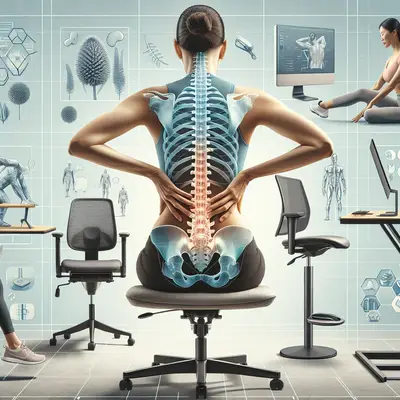
That preparation is physical. You instinctively lean toward the screen, neck jutting forward by a few centimeters—enough to double, sometimes triple, the effective load on your cervical spine. Your paraspinal muscles (along the length of your spine) begin working overtime to hold an increasingly forward-heavy head. Shoulders rotate inward; chest tightens; your diaphragm has less room to move, so breath becomes shallow. Over hundreds of interactions, the body begins to treat this “email posture” as the default. What started as a momentary flinch to a harsh message settles into a chronic shape.
A premium approach to back care recognizes this not as a matter of “bad habits,” but of patterns under stress. The solution isn’t just to “sit up straight,” but to deliberately break the chain between digital tension and physical collapse. Each time you open an email you know might be stressful, pause. Let your spine lengthen against the chair back. Allow your jaw to unclench and your shoulders to drop. Only then read. Over time, you retrain your nervous system: my inbox is not an emergency, and my spine will not be the casualty.
2. The Posture Audit: Elevating Your Desk Setup Beyond the Basics
While social media is busy roasting terrible emails, it rarely shows the real scene: someone hunched over a laptop on a barstool-height chair, neck flexed, feet dangling, scrolling furiously. No amount of mindfulness can fully compensate for an environment that is physically stacked against your spine.
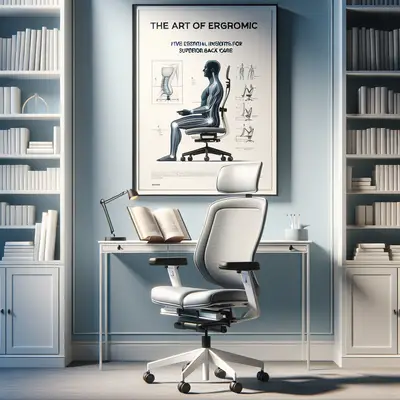
A refined ergonomic setup goes far beyond “sit at 90 degrees.” At a premium level of care, think in terms of alignment, support, and variability:
- Alignment: The top of your monitor should be roughly at eye height, centered with your body—not off to the side where you have to twist. If you’re on a laptop, a stand and separate keyboard are non‑negotiable for long workdays.
- Support: Your chair should support the natural S-curve of your spine, especially the lumbar region. If it doesn’t, upgrade with intention: a slim, firm lumbar support, not an oversized cushion that pushes you forward.
- Variability: True ergonomic luxury is not the most expensive chair; it’s a workspace that allows dignified movement—sitting, standing, slight reclining, even perching—without straining your back in any of those positions.
When you read a particularly draining email, notice where your body goes first. Do you slide forward, away from the backrest? Do your feet lift onto the chair rungs? Do you cross one leg tightly over the other? These small escapes from proper support shift load into your lower back. A posture audit—ideally once a day at a calm moment—lets you correct these tendencies before they crystallize into pain.
3. The “Ritual Reply”: Designing an Email Response Routine That Protects Your Spine
The latest wave of online stories about absurd work emails shares a common theme: people feel cornered—time-wise, emotionally, and physically. You read something unfair and your instinct is to react immediately. That urgency shows up in your posture: you lean in, hold your breath, type quickly, hold tension.
A sophisticated back-care practice invites you to transform email replies into a protective ritual:
Pause before reply
Read the email once, then let your hands rest. Allow your back to settle fully against the chair. Feel the weight of your pelvis in the seat and both feet on the floor. This stops the automatic lean-forward compression.
Reset your breathing
Inhale gently through the nose for 4–5 seconds, exhale for 6–7. This slightly extended exhale stimulates the parasympathetic system, reducing the muscle guarding that often worsens back pain.
Reclaim neck alignment
Gaze straight ahead and imagine drawing your head backward a few millimeters as if stacking it directly over your spine, rather than craning toward the screen. Keep this alignment as you begin to type.
Limit “tension time”
For complex replies, set a discrete cap—say 10–15 minutes—then stand, walk a few steps, or switch posture. Long, uninterrupted sessions of intense typing often do more damage to your spine than the content of the email itself.
This ritual doesn’t just create better emails; it creates better load distribution through your spine. Over time, people often notice that their “email sessions” stop triggering the familiar band of tension across the shoulders or the dull ache in the lower back.
4. Micro-Movements, Major Relief: Elegant Ways to Decompress Between Messages
Viral threads about terrible work emails highlight a workplace truth: many of us are mentally sprinting all day while our bodies are eerily still. Static sitting is one of the most underrated drivers of chronic back discomfort, especially in high-pressure, knowledge-based roles.
Instead of dramatic stretching sessions you’ll never maintain, a more refined approach is to layer in subtle, office-appropriate micro-movements between batches of messages:
- Seated sacral tilt: At the end of a tense email, place both feet firmly on the floor. Gently rock your pelvis forward and back, as though rolling your sit bones from the back of the chair toward the front. This lubricates the lumbar segments and counters the fixed C-shape of slumping.
- Thoracic opening: Interlace your fingers, place your hands lightly behind your head, and imagine your elbows widening as your chest lifts. Keep it subtle. This mobilizes the mid-back that often stiffens when we hunch toward screens.
- Gentle spinal stacking: Beginning from your tailbone, imagine “lengthening” each vertebra in sequence as if growing slightly taller, without rigidly forcing your back straight. This visualization alone can help you find a more neutral, sustainable posture.
- Neck glide reset: Draw your chin slightly back (not down) as though creating a double chin, hold 3 seconds, then relax. Repeating this a few times a day counters the forward head carriage that quietly strains your upper back.
Because these movements are discreet, they fit into a premium, polished work environment without dramatics. The goal is not to “work out” between emails, but to prevent micro-stiffness from accumulating into macro-pain.
5. Setting Physical Boundaries for a Boundaryless Inbox
Those viral stories of midnight emails, “quick” weekend tasks, and 6 a.m. follow‑ups all share one ergonomic consequence: when digital work has no edges, the body never receives a clear signal that it’s allowed to stand down. Your back remains subtly braced for “one more thing.”
Sophisticated back care requires as much attention to temporal ergonomics—how your workday is shaped—as to chairs and keyboards:
- Create a visual end-of-day cue: At the time you intend to stop checking work email, physically change your setup. Lower your standing desk, power down your monitor, or place your laptop in a sleeve. This visual ritual tells your body that spine-loading work is over for the day.
- Protect one “no-laptop” zone: Whether it’s your bed, your sofa, or the dining table, designate one place where you will not hunch over a device. This preserves at least one area in your home where your spine is not associated with work tension.
- Schedule true recovery windows: Back tissues—discs, ligaments, muscles—need regular periods without sustained sitting or forward flexion. Evening walks, lying on the floor with knees elevated on a chair, or gentle supine stretches can act as decompression rituals that actively undo the shape your body held all day.
- State your limits—quietly, clearly: If timing of emails is consistently unreasonable, a calm boundary-setting response is not just about mental health; it’s a physical health intervention. “I’m offline after 6 p.m.; I’ll respond first thing in the morning,” is also another way of saying, “My spine is not always on call.”
These boundaries are not indulgences. They are structural supports—no less important than lumbar cushioning or monitor height. For professionals already managing back issues, such temporal guardrails can be the difference between stable discomfort and recurring flare-ups.
Conclusion
The internet is currently laughing—and seething—over shocking work emails. But behind every jaw-dropping message is a body reacting in real time: a neck craning closer to the screen, a spine curling forward, a lower back absorbing just a bit more of the day’s accumulated tension.
In this light, the way we sit, read, and respond to our inbox becomes more than a matter of comfort; it’s an essential piece of back health in a knowledge-driven world. By approaching your workspace with the same discernment you bring to your work—auditing your posture, designing a calmer reply ritual, incorporating elegant micro-movements, and enforcing clear physical boundaries—you elevate ergonomics from a checklist to a quiet form of self-respect.
Your email may be chaotic. Your spine doesn’t have to be.
Key Takeaway
The most important thing to remember from this article is that this information can change how you think about Ergonomics.