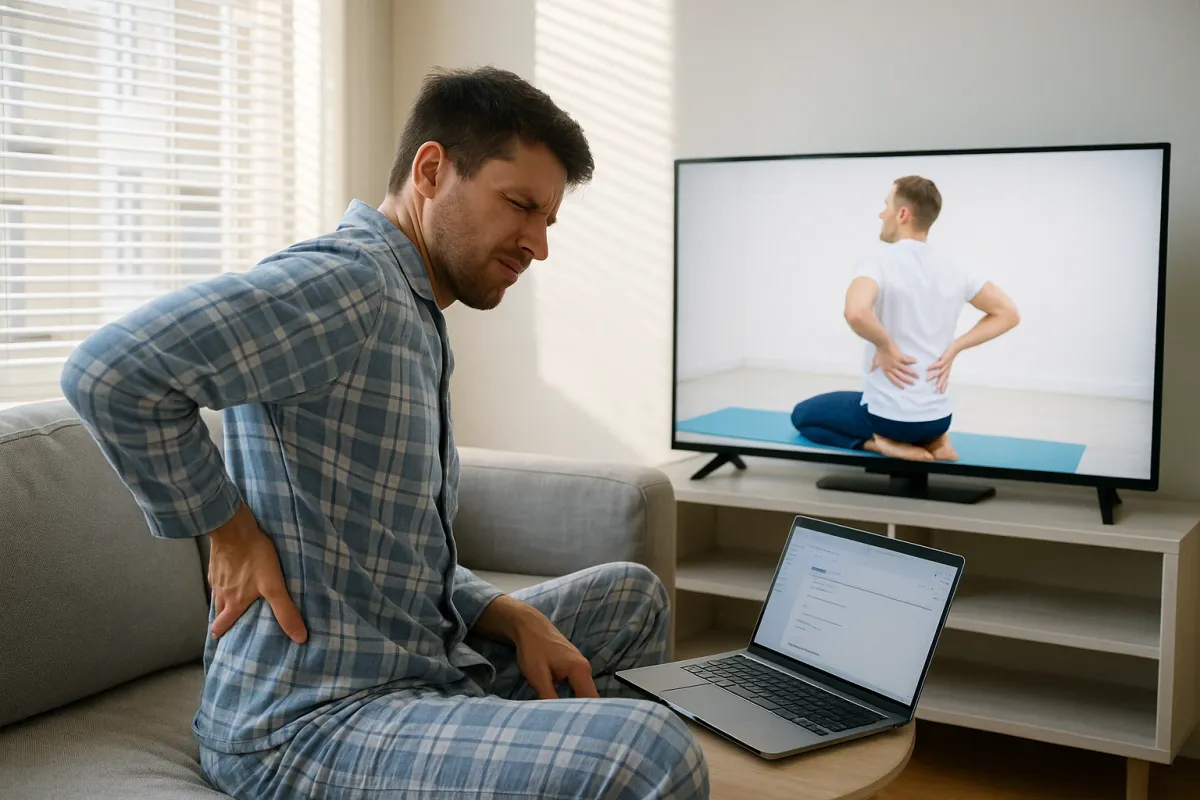
For many professionals, “I’m not feeling it today” has become a socially acceptable way to step back from work. A recent viral feature on people sharing bizarre reasons they’d “call in sick” tapped into something deeper than workplace humor: a culture quietly exhausted, physically and mentally. Hidden beneath the jokes is a familiar reality for anyone living with back pain—the days when you “can’t face work” are often the days your spine is sounding an alarm.
On Back Care Insights, we look beyond the meme and the punchline. If people are increasingly normalizing time away from work, this is an opportune moment to reframe sick days not as escape, but as strategic recovery—especially for your back. Exercise therapy, when done intelligently, can transform those “off days” from aimless rest into targeted, restorative practice that protects your spine long-term.
Below are five exclusive, refined insights to help you treat those hard-to-face days as precision-tuned opportunities for elegant, evidence-based back care.
1. Redefining the “Sick Day”: From Collapse to Structured Recovery
What the recent wave of “call in sick” stories reveals is not just fatigue, but a collective craving for permission to stop. For those with back issues, that stop often arrives only when pain breaches your threshold. The sophisticated alternative is to treat sick days as planned interventions, not accidents of overwhelm.
Instead of collapsing into the sofa and hoping the pain will pass, think of a sick day as a mini-retreat for your spine. Begin with a gentle mobility sequence—5–10 minutes of controlled pelvic tilts, cat–cow, and supported thoracic rotations—before opening your laptop or checking your phone. Alternate 20-minute upright intervals (walking slowly around your home, doing simple hip hinges at the counter) with 5-minute recumbent rest in a supportive position (knees elevated, neutral spine). This approach turns unstructured “rest” into a deliberate neuromuscular reset, helping your spine decompress, your muscles recalibrate, and your nervous system downshift out of pain-amplifying stress.
2. Micro-Sessions Beat Marathon Workouts for an Overloaded Spine
The stories of people staying home because “getting ready is too much work” reflect a truth anyone with chronic back issues understands: on some days, the idea of a 45-minute workout is psychologically and physically out of reach. Exercise therapy, however, does not demand volume; it demands precision and consistency.
Emerging rehab trends increasingly favor micro-sessions—5–8 minute, hyper-focused segments done multiple times per day—over heroic, infrequent efforts. For your back, this might mean three or four mini-blocks: morning spinal mobility, midday hip and core activation, late-afternoon postural resets, and evening decompression. Each block can be as simple as two or three carefully chosen exercises, performed slowly and with exquisite attention to alignment. This cadence respects pain fluctuations, reduces fear of movement, and gently retrains your deep stabilizers—multifidi, transverse abdominis, and gluteals—without provoking flare-ups or fatigue crashes. In a world where people “call in sick” because the day feels too big, micro-sessions make recovery feel elegantly manageable.
3. The Nervous System Is the Quiet Gatekeeper of Your Back Pain
Many of the “I can’t face work” stories are less about physical illness and more about emotional overload: dread, burnout, and stress. Your spine is not separate from that experience. Research in pain science has made it clear that your nervous system—not just your discs, joints, or muscles—plays a decisive role in how intensely you feel back pain.
On days you’re tempted to stay home, your nervous system is often already operating in a heightened state. Exercise therapy that ignores this is incomplete. Incorporating slow, cadence-controlled movement with breath—such as diaphragmatic breathing paired with gentle spinal rocking, or bridge variations timed to a 4–6 second exhale—directly addresses this regulatory layer. The aim is not to “stretch the pain away,” but to downshift your nervous system from threat mode. When your brain perceives your movements as safe, predictable, and non-threatening, it routinely dials down pain output. In practice, this means that a 7-minute session of intentional breathing and slow movement can sometimes offer more relief than 30 minutes of aggressive stretching or strengthening performed under tension and frustration.
4. Elegance in Alignment: Treat Everyday Movements Like a Practice
Those viral anecdotes about staying home to avoid putting on real clothes, shoes, or even stepping into a shower sound light-hearted—but they mirror how daunting basic movements can feel when your back is sensitized. The premium approach is not to power through them, but to refine them.
Exercise therapy at its most sophisticated elevates everyday motions—getting out of bed, lifting a bag, loading the dishwasher—into a form of movement practice. On a restorative day at home, take five minutes to rehearse just two actions with immaculate form, such as:
- The Luxurious Stand-Up: From sitting, slide to the front of the chair, plant your feet under your knees, hinge from your hips with a long spine, and stand using leg drive, not spinal momentum.
- The Considered Reach: When picking something up from a low surface, step closer than feels “natural,” hinge at your hips, keep your ribs softly stacked over your pelvis, and let your arm travel in line with your torso instead of rounding your back to reach.
Repeat each several times, slowly, perhaps with a mirror. This turns mundane tasks into micro-rehearsals of safe biomechanics, which then translate seamlessly back into your workday—even after the “sick day” ends. Your back learns that life’s small demands are no longer threatening, which gradually reduces both pain and the anxiety surrounding movement.
5. Crafting a Personal “Recovery Ritual” for Your Toughest Days
The popularity of sharing quirky “sick day” excuses online underscores a desire for narrative: people want their day off to mean something, even if that meaning is humorous. For those with back pain, there is enormous value in curating a personal, repeatable recovery ritual—a narrative of care rather than collapse.
A refined recovery ritual might look like this: you wake, do a 5-minute check-in (where is the discomfort, what movements feel accessible), then perform a bookmarked sequence of gentle exercises prescribed by your physiotherapist or Pilates/clinical exercise specialist. You follow with a short heat or contrast therapy session, a mindful walk around your home or garden, then return to a supportive seat with a lumbar roll for any necessary screen time. Later, you incorporate one slightly more challenging element—perhaps supported single-leg balance or a gentle loaded hinge with light weights—so your nervous system continues to trust that your body is capable, not fragile. End the day with an intentional wind-down: breathwork, a few supine stretches, and a brief reflection on what movements felt better than expected.
This ritual does more than structure your time off. It signals to your body and mind that “calling in sick” is not an act of defeat, but an investment in long-term function. Over months, this shift—from random rest to curated recovery—can be the difference between a back that merely survives and one that genuinely regains confidence and strength.
Conclusion
The current wave of stories about unusual, even whimsical reasons to call in sick may be entertaining, but they also highlight a culture straining at its limits. For those silently managing back pain, these “off days” are rarely about whimsy; they are about reaching a threshold. Exercise therapy offers a more intelligent path: not waiting for collapse, but using time away from work as an opportunity to recalibrate your body with intention and care.
By embracing micro-sessions instead of marathon workouts, focusing on the nervous system as much as the muscles, elevating daily movements into practice, and designing a personal recovery ritual, you transform sick days into strategic interventions for your spine. In a world where stepping back is finally being discussed openly—even if through humor—there has never been a better moment to reimagine days off as a quiet, luxurious investment in the health, resilience, and elegance of your back.
Key Takeaway
The most important thing to remember from this article is that this information can change how you think about Exercise Therapy.