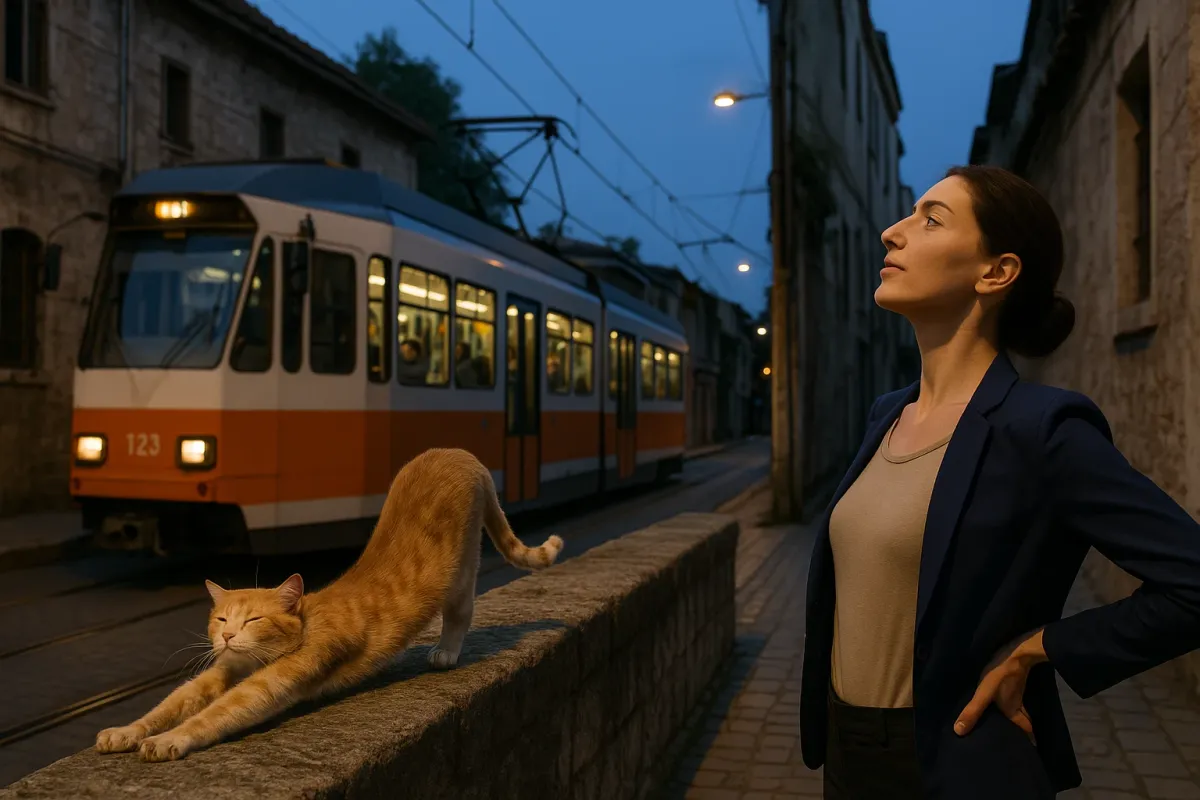
In Istanbul, cats are not simply pets; they are part of the city’s architecture. They drape themselves over stone steps, curl into carved windowsills, stretch along ancient walls, and lounge on café chairs with a composure most humans lose somewhere between their inbox and their commute. The recent photo series “50 Pics Of Istanbul’s Most Charming Felines” has been circulating widely, celebrating the city’s famously protected street cats—and, unintentionally, offering a masterclass in relaxed, natural posture.
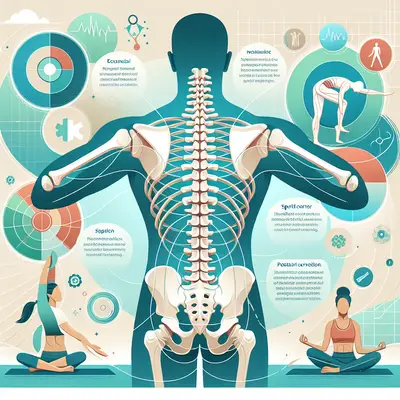
While the internet delights in their charm, those of us preoccupied with spinal health see something else: a living gallery of unforced alignment, artful stretching, and unapologetic rest. In a moment when back pain is a global epidemic, Istanbul’s cats have gone viral by simply doing what our bodies have largely forgotten how to do—move, rest, and align with instinctive precision.
Below, we distill five refined, back-focused insights inspired by these iconic felines—practical, elegant principles for anyone serious about elevating their spinal care beyond the basics.
1. The Art of Luxurious Rest: Why Your Spine Needs “Cat-Level” Off-Duty Time
Observe almost any photograph of Istanbul’s cats: they are either moving with intent or resting completely. There is no in-between fidget, no half-restful scroll through a phone, no slumping into a chair while half-working and half-recovering. That clarity is exactly what most modern spines are missing.
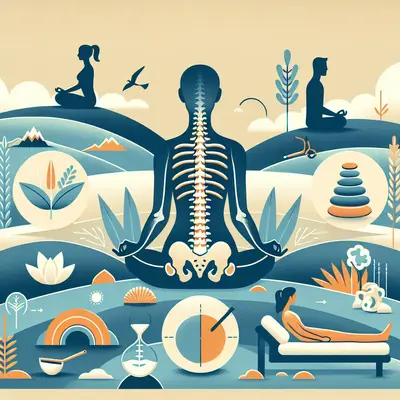
For your back, true rest is not simply the absence of activity—it is deliberate decompression. That might mean lying flat on a firm surface with your knees elevated on a cushion for 10–15 minutes, allowing the lumbar spine to settle and the paraspinal muscles to release. It might mean scheduling an uncompromised wind-down ritual in the evening: dim lighting, gentle thoracic mobility with a foam roller, and no screens bending your neck forward. High-performance individuals often understand intensity but neglect recovery; yet the spine heals, remodels, and recalibrates during periods of deep rest, not during your most productive hours. Ask yourself: where in your day does your back receive the same unapologetic, luxurious off-duty status that an Istanbul cat claims on a sunlit stoop?
2. Graceful Micro-Movements: Borrowing Feline Fluidity for Desk-Bound Spines
In the street-cat photographs, note how rarely a cat appears stiff. Movements transition seamlessly: sitting to standing, stretch to stride, curl to leap. Each action is small, fluid, and frequent—precisely what is missing from most sedentary routines built around eight unbroken hours at a desk.
For the spine, micro-movements are the antidote to static strain. Instead of waiting for pain to signal that something is wrong, curate a refined ritual of subtle transitions: every 20–30 minutes, rotate your thoracic spine gently in your chair, glide your chin backward to lengthen the neck, stand to perform a controlled hip hinge, or place one foot on a low support to vary your pelvic angle. This is not about exercise “sessions”; it is about restoring an environment in which the spine is never trapped in a single posture long enough to become distressed. Much like a cat that shifts position the moment a surface feels slightly uncomfortable, you can train yourself to respond to the earliest whispers of stiffness—not the loud complaints of entrenched pain.
3. Surfaces Matter: Elevating Your Back’s Relationship With the Spaces You Inhabit
Istanbul’s cats possess an uncanny ability to locate the most structurally forgiving surface in any scene: a padded chair instead of bare concrete, a textile-draped windowsill over cold stone, a warm car hood instead of a drafty alley. They understand, instinctively, that what lies beneath the body shapes how the body feels.
For refined back care, your environment should be curated with the same discernment. A premium mattress with proper zoning, for example, supports spinal neutrality far better than a one-texture-fits-all design. A thoughtfully selected lounge chair—not just an “office” chair—may better support relaxed lumbar positioning for evening reading. Elegant, firm cushions placed at the lower back during long dinners can subtly maintain the natural curve of the lumbar spine without drawing attention. Even in travel, packing a slim, high-density lumbar roll or an inflatable cushion transforms a long flight or car ride into a significantly more spine-conscious experience. The point isn’t opulence; it’s alignment. Surfaces either conspire with your posture or quietly erode it—choose as selectively as a cat deciding where to sleep.
4. Confident Boundaries: Saying “No” to Postures That Silently Sabotage You
The street cats of Istanbul accept affection on their terms. They will tolerate a certain stroke, angle, or lift—and then simply walk away when it no longer suits them. It is a boundary humans, particularly high-achieving ones, often lack when it comes to their own bodies. We remain in chairs that hurt, at desks that strain, in shoes that misalign us, long after our back has signaled its dissatisfaction.
Sophisticated back care includes a willingness to decline what is physically unreasonable. That could mean refusing a low, unsupportive sofa in a conference lounge and choosing a firmer chair instead, or adjusting the format of a meeting from seated to standing when possible. It may involve being explicit with your Pilates instructor, personal trainer, or yoga teacher about movements that consistently provoke your symptoms, and insisting on tailored alternatives. These decisions are not indulgences; they are acts of physical due diligence. Like the Istanbul cats who simply move on when a surface, posture, or interaction no longer feels right, you are entitled to protect your spine—even if it means breaking from social expectations or visual “aesthetics” of how you are supposed to sit, stand, or work.
5. The Elegance of Daily Rituals: Integrating “Cat-Like” Mobility Into a Cultured Life
In the viral images, perhaps the most striking quality is how completely integrated movement is into the cats’ everyday existence. They don’t schedule “stretching class” at 7 p.m.; they weave mobility into every transition—before sleep, after waking, between meals, after a climb. This is the true frontier of advanced spinal care: rituals so seamlessly embedded that they become part of how you inhabit your day, not items on a to-do list.
Consider refining your own back-health rituals into something almost ceremonial. A brief sequence upon waking—supine knee hugs, gentle spinal twists, a supported bridge—before your first email. A midday standing pause in natural light for two minutes of controlled spinal extension and deep diaphragmatic breathing to reset postural muscles and calm the nervous system. An evening “closing ritual” where you roll the soles of your feet, stretch your hip flexors, and spend a few mindful breaths lengthening the back of your neck before bed. When these practices are performed consistently, with the same quiet assurance you see in an Istanbul cat stretching on a marble step, they transform from exercises into identity: you are simply someone who moves and rests with deliberate care.
Conclusion
As images of Istanbul’s cherished cats continue to circulate across social media, it is tempting to view them as charming distractions from the demands of modern life. But for those attuned to spinal health, they are something more: a reminder of what the human body once did naturally and what it can regain with intention.
By embracing unapologetic rest, cultivating graceful micro-movements, curating the surfaces we inhabit, enforcing clear physical boundaries, and weaving mobility into the fabric of our days, we bring a quiet, feline elegance back to our own spines. In a world of complex therapies and advanced technologies, perhaps the most refined upgrade we can offer our backs is surprisingly simple: to move, rest, and align with the same unhurried confidence as a cat in the sun—fully at ease in its own body, and entirely at home in the world.
Key Takeaway
The most important thing to remember from this article is that this information can change how you think about Back Health.