Back pain rarely announces itself with drama; it seeps into daily life, dulling clarity, curbing confidence, and quietly rearranging priorities. Yet pain management for the back does not have to be a blunt struggle between discomfort and medication. Approached with discernment, it can become a refined practice—an intelligent orchestration of habits, environment, and targeted interventions designed to restore ease without sacrificing performance or elegance in daily living.
This is pain management not as “coping,” but as curation: thoughtfully selecting what you allow near your spine, your attention, and your time.
Reframing Pain: From Enemy to Intelligent Signal
Most of us are conditioned to treat pain as an adversary to be silenced. For the back, this mindset can be subtly harmful. Pain is not simply an alarm; it is sophisticated information from your body about load, stress, and tolerance. When we only chase “off switches”—strong medications, total rest, or aggressive quick fixes—we can miss the opportunity to decode what the spine is trying to say.
A more elevated approach starts with precision awareness. Instead of asking, “How do I stop this?” begin with, “What exactly is this pain telling me?” Location, timing, triggers, and relief patterns all form a profile: does your pain flare with prolonged sitting but ease with walking? Does it worsen first thing in the morning but soften after gentle movement? These nuances can differentiate muscular strain from facet joint irritation, nerve irritation from mechanical overload—clues your clinician can use to refine treatment.
Reframing pain as data also tempers fear, which is critical. Catastrophic thinking (“My back is ruined,” “I’ll never get better”) can amplify pain, increase muscle tension, and limit the very movement your spine needs. When you adopt a mindset of investigative curiosity—collaborating with, rather than fighting against, your body—you create a calmer internal environment in which sophisticated, targeted strategies can actually work.
Insight 1: Treat Micro-Adjustments as Daily Pain Medication
We tend to think of pain relief as something that arrives in doses: a pill, a stretching session, an ice pack, a massage. But for the back, micro-adjustments throughout the day can be just as potent, especially for those whose lives revolve around desks, devices, or high-responsibility roles.
Consider your day as a sequence of small opportunities to prevent pain “accumulation”:
- Posture audits in 20-second intervals: Each time you check your phone or glance at your watch, let it cue a subtle reset—lengthen through the crown of the head, soften the shoulders, lightly engage the lower abdominals.
- Micro-mobility between tasks: Use the 30 seconds after a call or before a meeting to stand, gently shift weight between feet, or perform one slow spinal roll-down and roll-up.
- Load distribution rituals: When lifting bags, laptops, or luggage, pause and reposition weight between hands or shoulders rather than favoring one side by default.
- Transition hygiene: The moments getting out of the car, standing from the sofa, or sliding out of bed can either stress or spare the spine. Moving with deliberate, aligned transitions—rolling to the side before rising, hinging at the hips instead of rounding the back—adds up across a lifetime.
These actions feel almost too modest to matter. Yet this is exactly why they are so powerful: they are sustainable. Rather than asking your back to endure six hours of passive strain and then “fixing it” at the gym, you prevent dramatic peaks of stress by continually nudging your spine toward neutral. Over weeks and months, this pattern often yields quieter pain, less end-of-day fatigue, and a sense that your back is being looked after rather than abandoned until crisis.
Insight 2: Curating Your Sensory Environment as an Analgesic Tool
We tend to separate physical pain from our sensory and emotional environments, but the nervous system does not. The same system that processes back pain also processes harsh lighting, incessant notifications, visual clutter, and background noise. When these inputs escalate, your system has fewer resources to modulate pain; discomfort can feel louder, more intrusive, and more exhausting.
A sophisticated pain management approach acknowledges that ambiance is not just aesthetic—it is therapeutic:
- Sound: Gentle, low-complexity soundscapes (soft instrumental music, nature sounds) can reduce perceived pain intensity by shifting attention and decreasing arousal. Conversely, chaotic noise can increase muscle tension and pain sensitivity.
- Visual order: A workspace or bedroom with controlled visual clutter can quiet the nervous system, which is especially relevant for persistent back pain that worsens under stress or cognitive overload.
- Light: Soft, warm lighting in the evening helps regulate sleep—a crucial ally for pain management. Poor sleep is strongly associated with heightened pain perception and slower recovery.
- Tactile comfort: Fabrics, seating textures, and bedding that feel inviting can lower subtle muscle guarding. The body relaxes more when it feels safe and supported.
Instead of viewing these refinements as indulgence, treat them as integral elements of your back care strategy. When your sensory environment is thoughtfully curated, your nervous system is less “on edge,” making every other intervention—manual therapy, exercise, medication—work more efficiently.
Insight 3: Using Movement as a Negotiation, Not a Test of Willpower
For many people with back pain, movement becomes a binary test: either you can “push through” or you “shouldn’t do it.” This mindset not only increases fear, but can also encourage extremes—total rest or overexertion—both of which may prolong pain.
A more refined method is to treat movement as a negotiation: a calm, continuous dialogue between what your back can do today and what it is being gently invited to tolerate tomorrow. Instead of asking, “Can I run 5 km?” consider, “Can I walk comfortably for 8 minutes? If yes, what about 10?” This incremental approach, often described as graded activity, allows the nervous system to recalibrate without feeling threatened.
Key principles for this elevated movement strategy:
- Stay beneath your “flare threshold”: Engage in activities that might provoke mild, manageable discomfort but avoid those that trigger sharp, escalating, or lingering pain.
- Prioritize consistency over intensity: Three shorter, comfortable movement sessions across a day can be more effective than one overzealous workout followed by a pain flare.
- Honor fluctuations: There will be stronger and weaker days. Respect the variability without catastrophizing it. Adapting your effort based on the day’s reality is not “quitting”; it is sophisticated self-management.
- Integrate spine-friendly patterns: Hip hinging, neutral spine lifting, and controlled rotation through the thoracic spine protect sensitive areas while still maintaining necessary mobility.
This negotiation mindset builds trust with your back. Instead of constantly testing its limits, you demonstrate care and respect—often resulting in improved tolerance, less fear, and more confident movement over time.
Insight 4: Designing a “Clinical-Grade” Home for Your Spine
High-quality clinical care is valuable, but the environment you return to daily has far greater exposure hours with your back. Transforming your home into a quietly supportive setting is one of the most underappreciated forms of pain management.
Consider these subtle, high-yield upgrades:
- Bed as therapeutic equipment, not decor: Mattress firmness that is too soft can let the spine sag; too firm can create pressure points. Many people with back pain do best with a medium-firm surface, possibly tailored with a supportive topper. Evaluate how refreshed (or stiff) your back feels upon waking; let that guide adjustments.
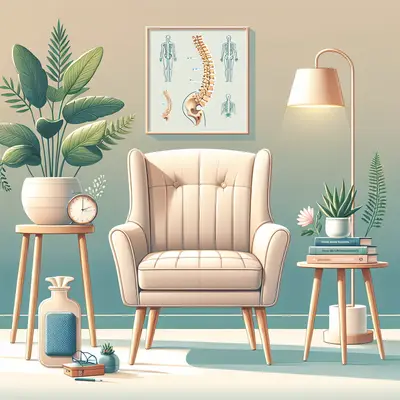
- Seating that enforces alignment, not collapse: Rather than ultra-plush sofas that swallow posture, choose chairs with defined lumbar support, stable armrests, and a seat height that allows your feet to rest flat on the floor.
- Strategic object placement: Frequently used items stored at mid-range height (roughly hip to chest level) reduce repetitive bending and twisting. This is especially critical in kitchens, closets, and home offices.
- Pathways free of subtle hazards: Loose rugs, low furniture edges, or awkward step-downs can prompt guarded movements or sudden jolts—both adversarial to a sensitive spine.
Think of your home as a quiet co-therapist. When the physical layout reduces awkward loads and repetitive strain, your back can spend more time in neutrality, recover between demands, and require fewer “emergency interventions.”
Insight 5: Building a Pain Team—Beyond the Single Specialist Model
Elite-level back care is rarely the result of a single appointment with a single professional. Persistent or recurrent back pain is multidimensional—biological, mechanical, psychological, and social. Expecting one person or one modality to solve it all often leads to disappointment and unnecessary chronicity.
Instead, consider assembling a discreet, well-chosen “pain team” tailored to your needs and preferences:
- A primary medical anchor (such as a primary care physician, physiatrist, or spine specialist) to coordinate investigations, imaging when indicated, and overall medical oversight.
- A movement specialist (physical therapist, clinical exercise professional) to design a progression of strength, mobility, and resilience—not just symptom relief.
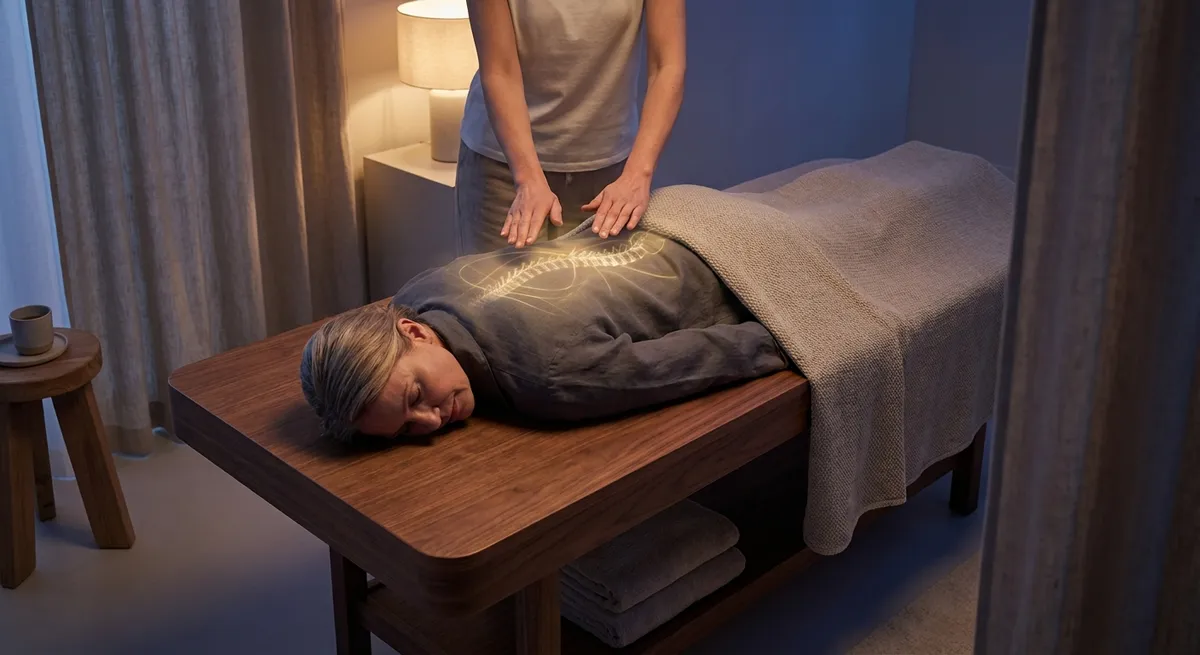
- A manual therapist (if appropriate and evidence-informed) to address soft tissue tension or joint stiffness, integrated into—not replacing—an active plan.
- A psychological or pain-focused therapist when fear, anxiety, sleep disturbance, or mood changes are amplifying the experience of pain.
The sophistication lies not in accumulating more appointments, but in cultivating synergy: professionals who communicate, share findings, and align around your goals and lifestyle. As the person living with the pain, you are the curator of this team. Your role is not passive; it is to notice which approaches bring sustainable relief, which feel misaligned, and to advocate for coordinated care instead of fragmented attempts.
Over time, this integrated model can transform back pain from a revolving door of disconnected “treatments” into a coherent, evolving strategy that respects both your biology and your aspirations.
Conclusion
Refined back pain management is less about dramatic solutions and more about quiet precision. It lives in how you interpret your pain signals, the micro-adjustments you integrate into your day, the sensory environment you inhabit, the way you negotiate movement, the design of your home, and the caliber of the team you assemble around your spine.
When approached with this level of discernment, pain management becomes more than an attempt to mute discomfort. It becomes an ongoing, intelligent collaboration with your body—one that protects performance, preserves elegance in movement, and reclaims a sense of control. Your back may still speak, but it no longer has to dominate the conversation.
Sources
- National Institute of Neurological Disorders and Stroke – Low Back Pain Fact Sheet - Overview of causes, risk factors, and evidence-based approaches to low back pain
- American College of Physicians – Noninvasive Treatments for Acute, Subacute, and Chronic Low Back Pain - Clinical guideline emphasizing movement, non-drug therapies, and graduated care
- Harvard Health Publishing – How Your Mindset Can Influence Pain - Explores how perception, fear, and mindset shape the experience of pain
- Mayo Clinic – Chronic Pain: Medication Decisions - Discusses the role and limitations of medications within broader pain management strategies
- Cleveland Clinic – Chronic Pain and the Brain - Describes the interaction between the nervous system, environment, and chronic pain perception
Key Takeaway
The most important thing to remember from this article is that this information can change how you think about Pain Management.