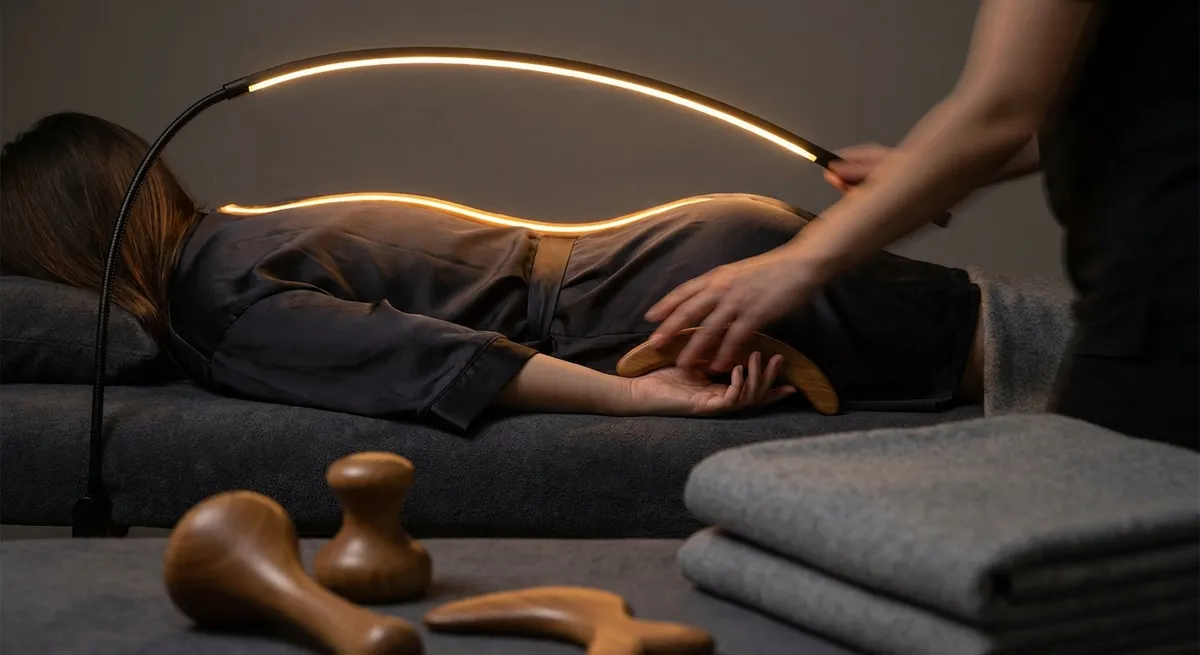
Back pain has a way of rearranging one’s life in imperceptible increments—subtly reshaping how you sit, stand, travel, work, and even rest. For those who demand a high standard of performance from both mind and body, pain is not merely a nuisance; it is a design flaw in an otherwise meticulously curated life. True back care, then, becomes less about “pushing through” and more about cultivating an intelligent, responsive relationship with discomfort—one that respects both science and nuance.
This is not an invitation to suffer stoically, nor to medicate indiscriminately. It is an invitation to approach pain management as you would any other high-stakes decision: with discernment, strategy, and a refusal to accept the merely adequate.
Pain as Information, Not an Enemy
Conventional thinking treats pain as something to be silenced at all costs. For a discerning spine, this is a missed opportunity. Pain is data—messy, sometimes overwhelming, but profoundly informative if interpreted with care.
Rather than asking only, “How do I stop this?” a more refined question is “What is this telling me?” Is your pain sharp and positional, suggesting structural irritation? Is it dull and diffuse, hinting at muscle fatigue or deconditioning? Does it intensify with stress, signaling a nervous system on high alert rather than tissue damage alone?
A premium approach to back care acknowledges that pain can persist even after tissues have healed, because the nervous system has become sensitized. This distinction matters: treating a sensitized system as if it were continuously “injured” often leads to unnecessary imaging, invasive procedures, or overtreatment. When pain is recast as nuanced feedback—not a verdict—it becomes something you can negotiate with, rather than something that dominates you.
Insight 1: Calibrating Relief, Not Chasing Numbness
Effective pain management is less about erasing sensation and more about calibrating it to a level where you can move, think, and live well. The aim is functional comfort, not absolute silence.
Opioids, muscle relaxants, and even over-the-counter analgesics have a place, but the refined approach uses them as supportive tools, not central pillars. The question shifts from “What will knock this out?” to “What minimal intervention will allow me to participate fully in my own recovery?”
Non-pharmacological strategies—such as graded activity, manual therapy, and targeted physical therapy—often yield more durable results because they recalibrate how your body and nervous system interpret and respond to signals. When relief is thought of as a fine-tuned spectrum rather than an on/off switch, you avoid the trap of escalating medications while neglecting the underlying drivers of pain.
This is the ethic of calibration: deliberate, measured, and fully aligned with a long-term vision of a capable, resilient back.
Insight 2: Designing Micro-Rituals That Disperse Pain Before It Accumulates
Pain rarely arrives out of nowhere; it accrues quietly. Hours at a desk, a long-haul flight, a demanding week—these are not isolated events, but layers. Sophisticated back care anticipates these layers and dissolves them before they consolidate into a pain episode.
The tool for this is the micro-ritual: small, precise, repeatable practices embedded throughout your day. This might mean a 90-second spinal mobility sequence between virtual meetings, a deliberate change of working posture every 30–45 minutes, or a brief walking interlude after any task that requires intense focus.
The value of micro-rituals lies in their subtlety. They are intentionally brief enough to be sustainable even on demanding days, yet structured enough to meaningfully influence circulation, joint lubrication, and muscular tension. Over time, these rituals create a background of consistent care—preventing your back from being asked to recover from massive deficits.
Instead of dramatic “reset” efforts after a flare-up, your spine receives a quiet, continuous stream of maintenance. This is not exercise as an event; it is maintenance as a lifestyle detail.
Insight 3: Curating Your Sensory Environment to Soften the Nervous System
Pain is not experienced in isolation from your surroundings. Light, noise, temperature, pressure—the sensory landscape you inhabit can either soothe an irritable nervous system or keep it perpetually on edge.
When pain is persistent, the nervous system often “turns up the volume” on sensation, a process known as central sensitization. In this state, loud environments, harsh lighting, and unrelenting visual stimulation can make pain feel louder simply by overloading your system. A premium approach to pain management extends beyond the chair you sit in or the mattress you sleep on; it includes the entire sensory orchestration around you.
Consider subtle adjustments: warmer, indirect lighting in the evening to support relaxation and sleep; soundscapes that calm rather than stimulate; textiles and clothing that do not irritate already tense muscles; room temperatures that prevent your body from clenching against the cold. These details might appear peripheral, but in aggregate they influence muscle tone, stress hormones, and sleep quality—each a decisive player in back pain perception.
Your environment can either amplify pain or gently escort your system toward calm. The refined back is housed in an equally refined sensory atmosphere.
Insight 4: Treating Sleep as the Ultimate Regenerative Therapy
Among all interventions for back pain, sleep remains one of the most underestimated and least glamorized—yet it is arguably the most powerful. Tissue repair, pain modulation, and emotional resilience all consolidate during the night. Without high-quality sleep, even the most sophisticated therapies underperform.
Pain and poor sleep form a vicious loop: pain disrupts rest, and lack of rest intensifies pain sensitivity the following day. Breaking this loop requires treating sleep with the same seriousness as any other medical treatment. This may mean adjusting your evening screen exposure, timing caffeine and alcohol with precision, or rethinking your pre-sleep routine from an “unwind” ritual into a true downshift of the nervous system.
For those with back issues, sleep positioning becomes an art form: a supportive mattress that respects spinal alignment, a pillow arrangement that reduces rotational stress, and perhaps a small bolster under knees (for back sleepers) or between knees (for side sleepers) to minimize torsion in the lower back.
Rather than searching endlessly for “the perfect mattress” or “the ideal pillow” in isolation, the sophisticated strategy is to view sleep as a therapeutic ecosystem—alignment, timing, habits, light, and sound all carefully curated to give your spine its most powerful, reliable window for repair.
Insight 5: Building a Discreet Circle of Expertise Around Your Spine
In an era of endless online advice, discernment is your most valuable asset. Back pain management improves dramatically when you curate a small, trusted circle of expertise rather than crowdsourcing decisions from generic tips and unvetted opinions.
This circle may include a spine-informed primary care physician, a physical therapist who understands your professional and lifestyle demands, and possibly a pain specialist or psychologist trained in pain coping strategies, depending on the complexity of your case. The key is not sheer number of professionals, but coherence: do they communicate in ways that align with your goals of function, autonomy, and refined daily comfort?
A sophisticated approach also recognizes the value of psychological support in chronic pain. Not because the pain is “in your head,” but because mood, stress, and pain are so closely interwoven in the brain that supporting one invariably affects the others. Cognitive-behavioral therapy for pain, mindfulness-based stress reduction, and other structured approaches can reduce the brain’s tendency to catastrophize discomfort and, in turn, dampen perceived pain intensity.
Your back deserves more than ad hoc interventions; it deserves a thoughtfully assembled team whose methods, language, and expectations respect both your standards and your long-term well-being.
Conclusion
Elegant pain management is not loud. It does not rely on heroic last-minute measures or dramatic interventions whenever your back protests. Instead, it is composed of quiet, deliberate decisions made day after day—how you interpret pain, the micro-rituals you weave into your routine, the sensory world you inhabit, the seriousness with which you protect your sleep, and the caliber of the experts you invite into your orbit.
For the refined back, relief is not a lucky exception; it is the predictable outcome of a life architected with care. When you honor your spine with this level of attention, pain no longer dictates the terms of your days. It becomes one voice among many—heard, respected, but no longer in command.
Sources
- NIH – National Institute of Neurological Disorders and Stroke: Low Back Pain Fact Sheet - Overview of causes, diagnosis, and evidence-based management of low back pain
- American College of Physicians – Noninvasive Treatments for Acute, Subacute, and Chronic Low Back Pain - Clinical practice guideline on pain management strategies beyond medications
- CDC – Prescription Opioids: What You Need to Know - Evidence and recommendations on appropriate, cautious use of opioid medications for pain
- Harvard Health Publishing – How Sleep Affects Pain and Healing - Discussion of the bidirectional relationship between pain and sleep quality
- Mayo Clinic – Chronic Pain: Medication Decisions - Guidance on the role and limitations of medications in long-term pain management
Key Takeaway
The most important thing to remember from this article is that this information can change how you think about Pain Management.