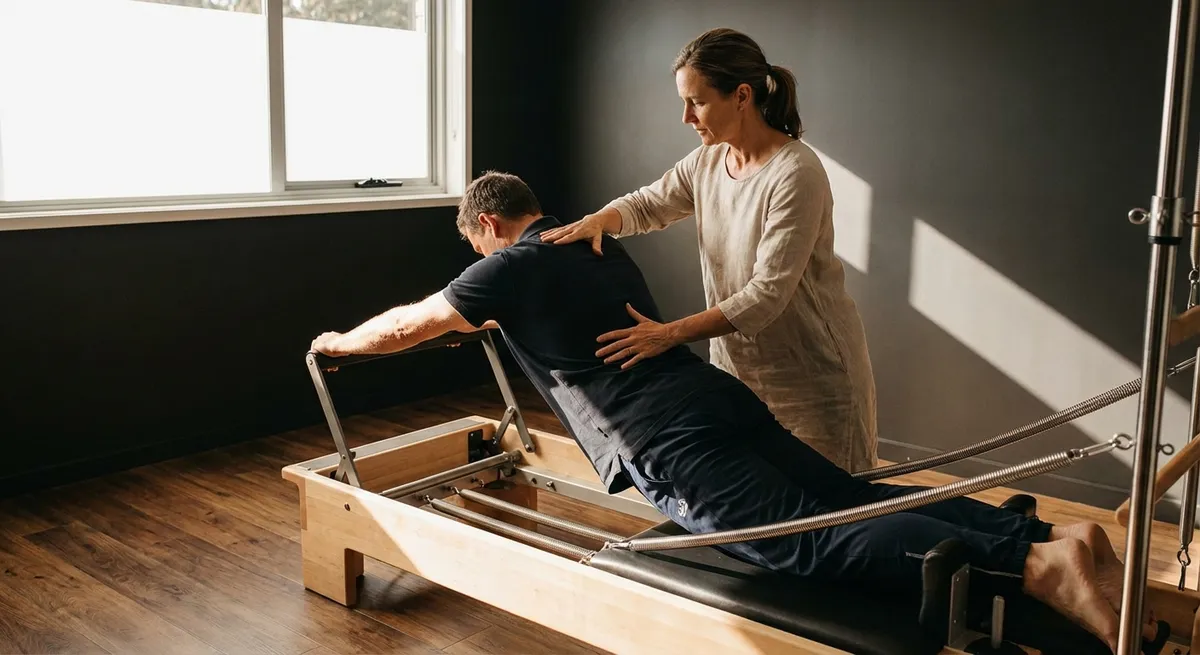
Back pain does not respond well to generic advice. It responds to precision. For many, exercise therapy sits at the intersection of medicine, movement, and strategy—a quiet discipline that can either transform your spine’s future or remain an underused recommendation on a discharge sheet. When curated thoughtfully, it becomes less about “doing exercises” and more about redesigning how your back participates in your life.
This is where a refined approach matters: not more effort, but better direction. Below are five exclusive, often-overlooked insights that elevate exercise therapy from routine to truly strategic care for your spine.
1. Your Back Has a “Movement Signature” — and Therapy Should Match It
Most people are handed the same handful of stretches and core exercises, as if every spine behaves identically. In reality, your back has a unique movement signature: the way you distribute load, brace, compensate, and fatigue over the course of a day.
A skilled physical therapist is not only prescribing exercises; they are decoding patterns. Do you hinge more from your lumbar spine than your hips? Do your ribs flare when you reach overhead, hinting at thoracic stiffness? Does your pelvis rotate subtly when you walk, suggesting asymmetry in strength or flexibility? These nuances determine which exercises will be therapeutic and which might quietly aggravate symptoms.
This is why a tailored program goes beyond “strengthen the core.” It might involve teaching you how to dissociate hip movement from lumbar movement, reintroducing segmental spinal motion in a specific direction, or sequencing mobility first, then stability, then load. When your program mirrors your movement signature—rather than a template—you turn exercise therapy into a custom intervention rather than a hopeful experiment.
2. The Order of Exercises Matters More Than Most People Realize
Many people treat their exercise therapy like a checklist: as long as everything gets done, the order feels irrelevant. Physiologically, order is strategy. The sequence you follow can determine whether your nervous system perceives movement as threatening or reassuring.
Starting with low-intensity mobility or breathing work can dial down protective muscle guarding and decrease pain sensitivity, creating a safer “entry point” for strengthening. Similarly, unlocking tight hips or thoracic spine segments before loading the lumbar area helps the spine share forces more evenly, rather than suffering as the default workhorse.
A refined session might flow as follows:
- Regulation: Calm, diaphragmatic breathing to down-regulate pain and tension
- Mobility: Gentle, controlled range-of-motion in targeted segments (hips, thoracic spine)
- Stability: Low-load activation of deep stabilizers (multifidus, transverse abdominis)
- Strength & Load: More demanding lifts or functional patterns (hinges, squats, carries)
- Integration: A real-world pattern—like sit-to-stand, stair climbing, or lifting a bag—practiced with newly refined mechanics
This progression respects both tissue capacity and nervous system sensitivity. It transforms your routine from “a group of exercises” into a coherent narrative your body can trust.
3. True “Core Work” for Back Health Is More About Timing Than Tension
The term “core strengthening” is now so overused that its precision has been diluted. For back care, the objective is not to build a rigid shield around your midsection; it is to refine the timing and coordination of deep stabilizers in sync with your movement.
In people with persistent back pain, research has shown delays or alterations in how certain muscles—such as the transverse abdominis or multifidus—activate before limb movements. This is not a weakness problem alone; it’s a timing and control problem. An elegant exercise therapy program respects this distinction.
Subtle drills—like low-load abdominal bracing coordinated with breathing, or gentle spinal segment control in quadruped (all-fours) positions—train the nervous system to engage support at the right moment, not just at maximal effort. The sophistication lies in teaching your spine to be quietly prepared, not constantly braced.
Over-bracing can actually increase compressive load and fatigue, especially if you hold unnecessary tension through the day. The refined goal: a spine that feels poised rather than armored, responsive rather than rigid.
4. Micro-Progressions Are the Real Luxury: How You Upgrade, Not Just What You Do
Progress in exercise therapy is often described in big steps: from bodyweight to dumbbells, from partial to full range, from two legs to one. Yet, for a sensitive or historically injured spine, the art lies in micro-progressions—small, deliberate upgrades that maintain confidence and control while nudging capacity forward.
Examples of micro-progressions that spine-conscious programs use:
- Load micro-steps: Increasing resistance by the smallest available increment, or even adding tempo (slower lowering phases) before increasing weight
- Range micro-steps: Expanding the range of motion by a few degrees each week rather than jumping from partial to full movement
- Stability micro-steps: Moving from two points of support to three, then to more dynamic or unstable surfaces, rather than rushing into single-leg or high-balance demands
- Context micro-steps: Practicing a movement in a controlled environment before introducing the same pattern into everyday tasks—like gradually moving from the clinic mat to lifting a suitcase into a car
These refinements respect the back’s history. They reduce the emotional risk of “flare-up fear,” and preserve momentum. The luxury here is not intensity, but precision: you always know where you are, and what the next intelligent step looks like.
5. Pain-Free Is Not the Finish Line—Integration Is
Many people stop exercise therapy the moment their pain recedes, as if symptom relief equals full recovery. From a more advanced back-care perspective, this is the most fragile stage—not the finish line.
Pain relief often indicates that irritation has settled, not that your spine is fully prepared for the demands of your real life: long flights, intense work weeks, ambitious fitness goals, or sporadic weekend sports. Stopping too early leaves your back undertrained for the world it inhabits.
A sophisticated approach includes a deliberate integration phase:
- Translating your therapy exercises into life-specific patterns (lifting children, carrying luggage, standing for events)
- Building “buffer capacity” so everyday tasks fall well below your maximum load tolerance
- Maintaining a curated, minimal “spine maintenance” routine—perhaps 10–15 minutes, several times weekly—to preserve strength and mobility gains
- Periodically reassessing with your therapist to adjust for new demands: travel-heavy months, training for a race, or changes in work setup
In this phase, exercise therapy becomes part of your identity, not a temporary assignment. Your spine is not just pain-free; it is rehearsed, rehearsed again, and elegantly prepared.
Conclusion
Exercise therapy for your back is often misunderstood as a standard list of movements that simply need to be completed. In reality, it is most powerful when it is personalized, sequenced with intention, focused on timing over tension, progressed in thoughtful micro-steps, and carried forward beyond the moment pain disappears.
When treated as a tailored strategy rather than a generic task, exercise therapy shifts from a chore into a form of high-level body management—quietly preserving your ability to sit, stand, travel, lift, and live with a back that feels supported rather than vulnerable. The refinement is not in doing more, but in doing the right things, in the right way, at the right time.
Sources
- National Institute of Neurological Disorders and Stroke – Low Back Pain Fact Sheet – Overview of causes, treatments, and evidence-based approaches to low back pain
- American Physical Therapy Association – Physical Therapy Guide to Low Back Pain – Details on how physical therapists evaluate movement and prescribe individualized exercise programs
- Harvard Health Publishing – The Role of Exercise in Managing Back Pain – Discussion of why targeted, gradual exercise is central to effective back pain management
- Mayo Clinic – Back Pain: Self-care and Treatment – Outlines conservative management strategies, including therapeutic exercise
- National Library of Medicine (NIH) – Stabilization Exercises in Low Back Pain – Research article examining the role of core stabilization and timing in chronic low back pain rehabilitation
Key Takeaway
The most important thing to remember from this article is that this information can change how you think about Exercise Therapy.