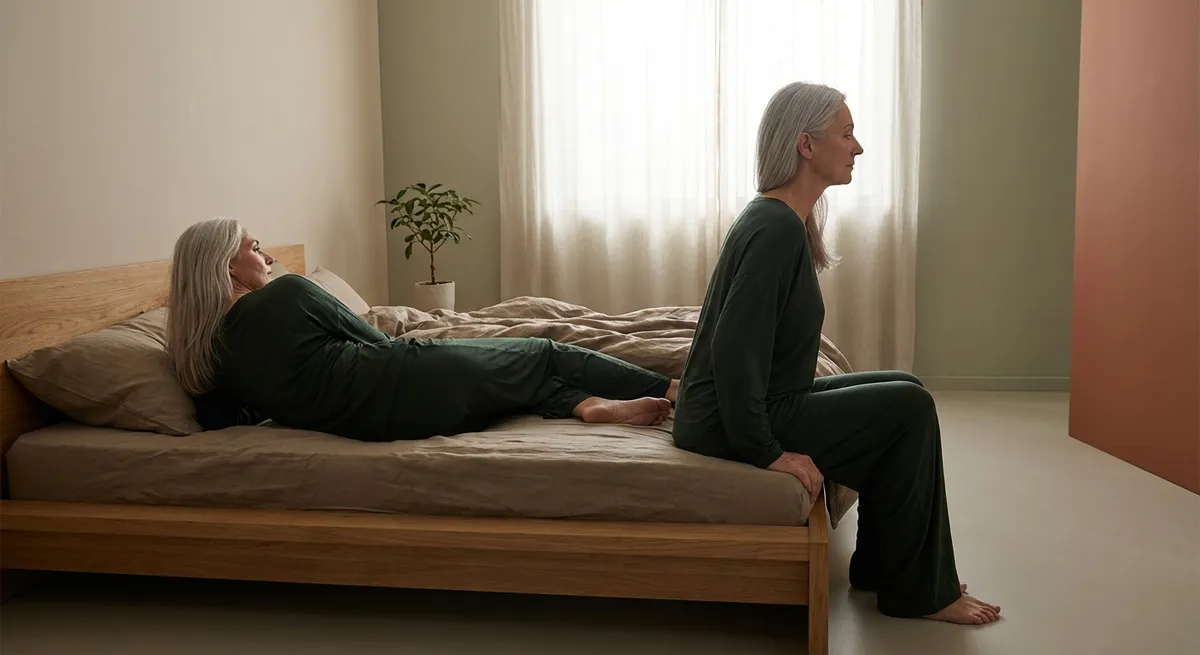
Back health rarely demands spectacle. Its true refinement lies in subtle, consistent choices that accumulate into resilience, comfort, and ease. For those who expect more from their bodies—clarity of movement, precision of posture, and a sense of quiet strength—back care is not a crisis response, but a standard of living. This piece explores five exclusive, often overlooked insights that elevate back care from “management” to mastery.
1. Treat Your Spine as a Rhythm, Not a Structure
Most people think of the spine as a column to be straightened, braced, or corrected. A more sophisticated view sees it as a rhythm—an orchestration of small, continuous movements throughout the day.
When you sit, stand, or walk, your spine is never truly static: discs hydrate and dehydrate, small stabilizing muscles fire and relax, and your nervous system constantly recalibrates balance. Instead of obsessing over “perfect posture,” cultivate a natural rhythm of micro‑movement. Shift your weight slightly in your chair every few minutes, let your ribcage glide subtly as you breathe, and change leg positions before stiffness announces itself.
This approach respects the spine as living tissue rather than architecture. Over time, this gentle variability nourishes intervertebral discs, reduces muscle fatigue, and encourages better body awareness. You are not forcing your back into a position; you are training it to adapt elegantly to changing demands.
2. Curate Your Back’s “Sensory Environment”
Most back-care advice focuses on physical alignment, but the spine is also deeply influenced by the sensory world it inhabits. What you see, hear, and feel creates a backdrop that can either invite tension or encourage release.
A cluttered visual field, harsh lighting, and incessant notifications keep the nervous system slightly agitated. The result: subtle neck tightening, elevated shoulder position, and shallow breathing—each of which quietly burdens the spine. By contrast, a curated sensory environment—calmer visuals, warmer light, thoughtfully controlled sound—gives the nervous system permission to downshift.
This matters because pain is not only mechanical; it is also perceptual. A calmer nervous system interprets incoming signals from the back differently, often as “sensation” rather than “alarm.” The refined choice is not just a better chair, but a better atmosphere in which your back is asked to work. Think of your surroundings as part of your back-care regimen, not neutral background.
3. Make Recovery a Daily Ritual, Not an Emergency Response
Many people “do something” for their back only when pain breaks through their schedule. A more elevated approach treats spinal recovery as a daily ritual—quiet, simple, and non-negotiable.
This does not require an hour of elaborate exercise. Instead, think in terms of small, consistent practices: two or three decompressive stretches in the evening, a brief walking interval between work blocks, or a three-minute breathing sequence that elongates the spine from within. These acts create a baseline of care that keeps minor irritations from becoming major crises.
Daily recovery practices also refine how your body processes load. After long sitting or intensive training, these rituals help muscles relax, joints reset, and the nervous system down‑regulate. Over time, you transform your relationship with back care from sporadic “damage control” to a polished routine that preserves capacity rather than constantly trying to restore it.
4. Respect the Back as a Mirror of Your Lifestyle, Not a Single Injury
Back pain is often blamed on one event: the suitcase lifted incorrectly, the long drive, the awkward twist. Yet for many discerning individuals, the true cause is an accumulation of micro‑decisions—how you sleep, what you wear, how much you move, and even how you respond to stress.
The sophisticated perspective views back discomfort as feedback on the entire system. Are your workdays punctuated by movement? Do your shoes subtly alter how your pelvis moves? Does your sleep surface support neutral alignment, or encourage sagging and torsion? Are you habitually bracing your core in response to stress, holding tension long after the moment has passed?
When you treat your back as a mirror of your lifestyle, you move beyond symptom-chasing. Instead of only soothing pain, you audit your routines, your spaces, and your habits. This broader lens often reveals that meaningful improvements in back comfort come not from a single, dramatic intervention, but from a series of small, upgraded choices.
5. Align Strength with Subtlety, Not Just Power
Strength is essential to spinal health—but not all strength is created equal. Heavy lifting without nuanced control can reinforce poor patterns; conversely, targeted strength with respect for detail yields a back that is both powerful and precise.
True spinal support comes from a quiet, coordinated network: deep abdominal muscles, small stabilizers along the spine, well-conditioned hips, and adaptable hamstrings and glutes. When these areas work harmoniously, the back moves with an ease that looks effortless rather than forceful. Elegant strength is not the visible strain of over-bracing, but the calm competence of movement that feels both stable and natural.
Rather than asking, “How much can I lift?” consider, “How gracefully can I control my body under load?” This shift encourages high-quality movements—whether during formal training, carrying a laptop bag, or lifting a child. Over time, that blend of strength and subtlety becomes the hallmark of a back that is not merely protected, but truly cultivated.
Conclusion
Refined back care emerges not from heroic efforts, but from deliberate, intelligent choices repeated daily. When you honor your spine as rhythm rather than rigid structure, curate its sensory environment, ritualize recovery, read pain as lifestyle feedback, and cultivate strength with nuance, you create a level of back health that quietly supports everything else you value.
The result is not just less pain. It is a different way of inhabiting your body—one defined by composure, capability, and an enduring, understated comfort.
Sources
- National Institute of Neurological Disorders and Stroke: Low Back Pain Fact Sheet – Overview of causes, risk factors, and approaches to managing low back pain
- Harvard Health Publishing – Why Your Office Chair Is Key to Back Health – Discusses posture, movement, and the role of environment and habits in back comfort
- Mayo Clinic – Back Pain: Symptoms and Causes – Explains common contributors to back pain and the importance of lifestyle factors
- Cleveland Clinic – Core Exercises for Back Pain – Details how subtle, targeted strength work supports the spine
- American College of Sports Medicine – Physical Activity Guidelines – Provides evidence-based recommendations on daily movement and recovery to support musculoskeletal health
Key Takeaway
The most important thing to remember from this article is that this information can change how you think about Back Health.