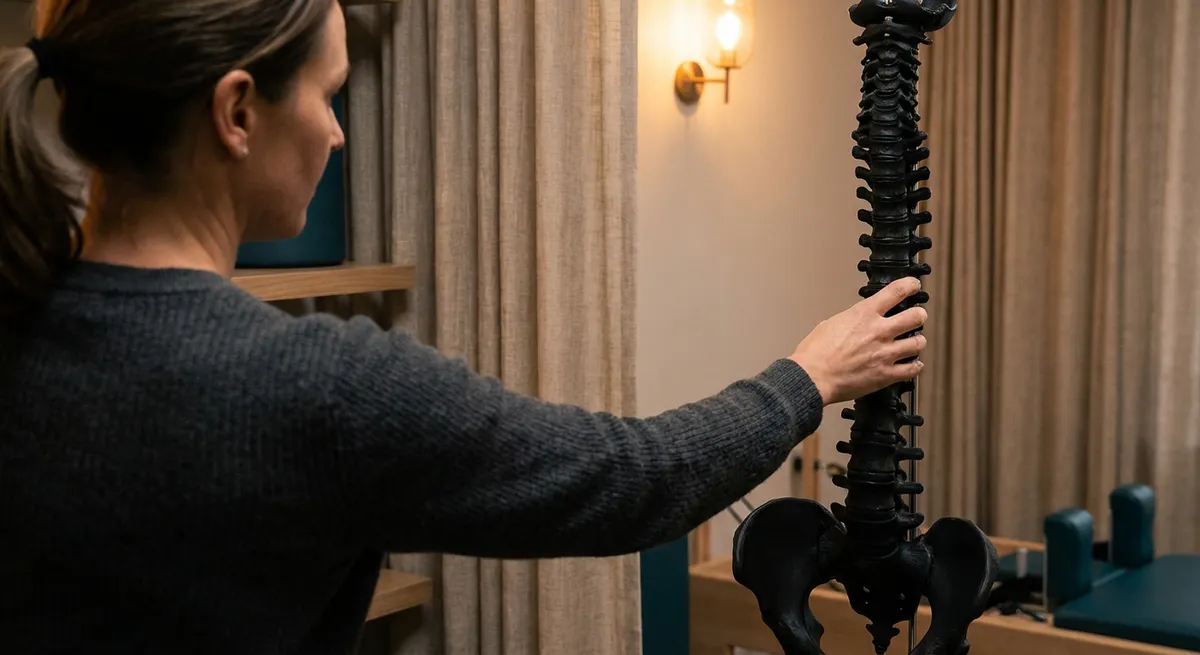
Back pain has a way of intruding on every domain of life—your work, your sleep, your social presence, even your sense of self. Yet the most effective pain management often looks almost invisible from the outside: considered choices, subtle adjustments, and a refusal to let discomfort dictate the entire narrative. This is not about “toughing it out,” nor about surrendering to pain. It is about cultivating a strategic, intelligent relationship with your back—where every decision, from how you move to how you interpret pain signals, is deliberate.
Below are five exclusive, nuanced insights designed for people who expect their back care to be as discerning as the rest of their life. These are not quick fixes; they are refined practices for a more controlled, composed experience of pain.
Insight 1: Treat Pain as Data, Not a Verdict
Pain is often described as an alarm bell, but for back care, it is more precise to see it as a constantly updating data stream. Many people either catastrophize every twinge or ignore every signal until a crisis emerges. Both reactions are blunt instruments for a highly sophisticated system.
A more refined approach is to ask: What exactly is this pain telling me? Is it sharp and mechanical, suggesting a specific movement or position that triggers it? Is it dull, diffuse fatigue after a prolonged sitting session? Does it improve with gentle walking or worsen with complete rest?
By observing timing, intensity, and triggers, you begin to distinguish between:
- Pain that is a protective overreaction from a sensitized nervous system
- Pain that stems from mechanical loading (e.g., prolonged posture, repetitive movement)
- Pain that reflects broader contributors like stress, poor sleep, or deconditioning
Keeping a brief, structured “pain log” for one to two weeks—time of day, activity, stress level, and sleep quality—can reveal patterns that guesswork will never uncover. This transforms pain from a vague adversary into a measurable variable you can begin to influence, in concert with your clinician.
Insight 2: Design Your Day Around Load Management, Not Just Comfort
Most people think in terms of “What position is comfortable right now?” A higher level of back care asks, “How can I distribute the total load on my spine over the entire day?” The distinction is subtle but powerful.
Load management means considering how much compression, bending, rotation, and static holding your back experiences across hours, not minutes. A perfectly comfortable soft sofa at 8 a.m. can translate to deep stiffness and irritation by evening if it keeps your spine in a flexed, unsupported posture all day. Similarly, a single gym session with abrupt, heavy loads after a sedentary week can outstrip what your tissues are prepared to tolerate.
A more strategic structure might include:
- Alternating “high-load” and “low-load” periods (e.g., 30–40 minutes of focused work, followed by 3–5 minutes of movement)
- Planning demanding tasks (lifting, long drives, intense exercise) at times when your body is warm, alert, and better able to handle them
- Ensuring that no single position—sitting, standing, or reclining—dominates the day
Think of your back as you would a premium investment portfolio: you distribute risk and avoid allowing a single exposure (hours of fixed posture, a sudden spike in exertion) to dominate.
Insight 3: Cultivate a “Baseline of Readiness” Instead of Chasing Relief
Many back care strategies are built around chasing relief: heat when it aches, painkillers when it spikes, rest when it flares. While these have their place, a more sophisticated strategy is to intentionally raise your baseline of readiness—the level at which your back can comfortably withstand daily demands before pain even arises.
A readiness-focused plan tends to include:
- Gentle strength and endurance in key areas: deep abdominal muscles, spinal extensors, glutes, and hips. Even modest, consistent conditioning can reduce the “cost” of everyday tasks on your spine.
- Joint and soft tissue adaptability: controlled mobility work allows your body to share loads more evenly instead of asking the same tissues to compensate repeatedly.
- Cardiorespiratory fitness: walking, cycling, or swimming improves blood flow and reduces inflammatory processes that can amplify pain perception.
The goal is not athleticism; it is resilience. When your back is better prepared, small irritations do not automatically escalate into significant episodes. You spend less energy putting out fires and more time maintaining a calm, stable landscape.
Insight 4: Align Pain Management With Your Identity, Not Just Your Symptoms
One rarely discussed but highly influential factor in back pain outcomes is how closely your management strategy aligns with who you are and how you live. Pain plans that feel mismatched to your identity rarely last, no matter how medically sound they are.
Someone who values precision and structure may thrive with a meticulously scheduled movement and recovery routine. Another person who leans toward creativity and spontaneity may be more consistent with flexible “movement rituals” spread intuitively through the day rather than rigid blocks of exercise. A high-performing professional might be more motivated by framing back care as performance optimization rather than “rehabilitation.”
Consider questions such as:
- Do I respond better to data, routine, and measurable targets—or to variety, aesthetics, and feeling-based cues?
- Does my current pain strategy feel like a burden, a duty, or an extension of how I already care for myself?
- Could my back care habits be reframed in a language that feels more aspirational than restrictive?
When pain management feels congruent with your values and self-image, adherence stops feeling like discipline and starts to feel like self-respect.
Insight 5: Use Recovery Windows as Intentionally as You Use Work Blocks
For many people, “rest” is whatever is left over after everything else is done. For a refined approach to back pain, recovery windows are not an afterthought; they are scheduled, purposeful features of the day.
This does not necessarily mean lying down in silence—though that can be valuable. Recovery windows can be:
- Micro-intervals of decompression: 60–120 seconds of gentle spinal unloading, such as leaning with forearms on a counter to elongate the spine after sitting.
- Nervous system downshifts: brief breathing practices that elongate the exhale, which can dampen pain amplification driven by stress and sympathetic overactivity.
- Sensory “resets”: switching from screen-focused tasks to looking out a window, walking a hallway, or being outdoors, which subtly eases muscle tension and eye-strain-related rigidity.
- Evening rituals: a consistent, quiet routine that cues the body toward restorative sleep—light stretching, dim lighting, and device boundaries in the last hour of the day.
Done regularly, these small windows change your back’s cumulative exposure to load and stress. Over time, they offer something pain medication alone cannot: a recalibration of how your body and nervous system experience daily life.
Conclusion
Pain management for the back need not be dramatic to be effective. In many cases, the most powerful shifts are discreet: tracking pain as data instead of reacting emotionally, distributing load intelligently through the day, building baseline readiness, aligning strategies with your identity, and treating recovery as a designed element of your routine.
This is back care as quiet mastery—where each decision is purposeful, each habit is curated, and pain becomes one variable in your life, not the author of it. When approached with this level of intention, pain management evolves from coping to craftsmanship.
Sources
- National Institute of Neurological Disorders and Stroke – Low Back Pain Fact Sheet - Overview of causes, risk factors, and treatment considerations for low back pain
- American College of Physicians – Clinical Practice Guideline for Low Back Pain - Evidence-based recommendations for noninvasive treatments and pain management strategies
- Mayo Clinic – Back Pain: Symptoms and Causes - Accessible explanation of how back pain develops and when to seek medical evaluation
- Harvard Health Publishing – Understanding and Treating Chronic Pain - Discusses pain as a nervous system condition and highlights the role of non-drug approaches
- Centers for Disease Control and Prevention – Opioid Use and Chronic Pain - Context for medication use and the importance of multimodal pain management
Key Takeaway
The most important thing to remember from this article is that this information can change how you think about Pain Management.