Back pain rarely announces itself as a single dramatic event. More often, it’s the quiet sum of thousands of small, misaligned decisions: the angle of a laptop, the height of a chair, the shoes you favor on “busy” days. Ergonomics, at its most refined, is not about buying the latest gadget—it’s about curating the geometry of your life so your spine can move, support, and rest without protest. For those already navigating back issues, the difference between “manageable” and “intolerable” often lives in these subtle adjustments.
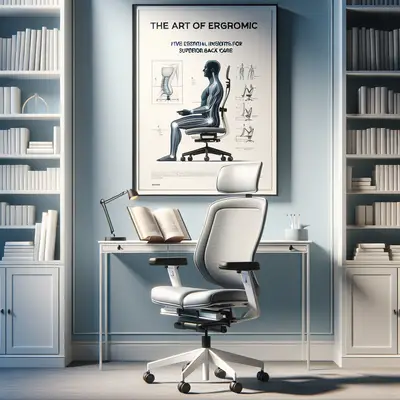
Below are five exclusive, often-overlooked ergonomic insights designed for people who expect more from their environment—and from their back care.
1. Treat Your Spine as a Dynamic Line, Not a Fixed Column
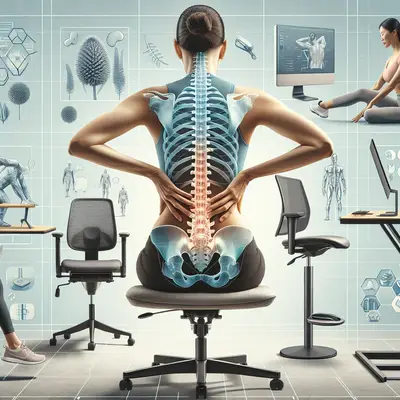
Many ergonomic conversations still speak as if the spine were a rigid pillar that must be held in one “perfect” position. In reality, a healthy spine behaves more like a living line—capable of subtle curves, glides, and rotations throughout the day.
When you already have back issues, over-fixating on a single static posture can be just as problematic as slouching. The goal is organized movement, not stillness.
What this looks like in practice:
- Micro-variation, not constant fidgeting: Shift your weight every 10–15 minutes—slightly forward, then back, then subtly to each side—while keeping your chest open and shoulders relaxed. The spine stays aligned, but the loading pattern changes.
- “Postural anchor” rather than “postural prison”: Set your chair, desk height, and screen so that returning to a neutral, well-aligned position is easy. Then allow small, comfortable deviations throughout the day.
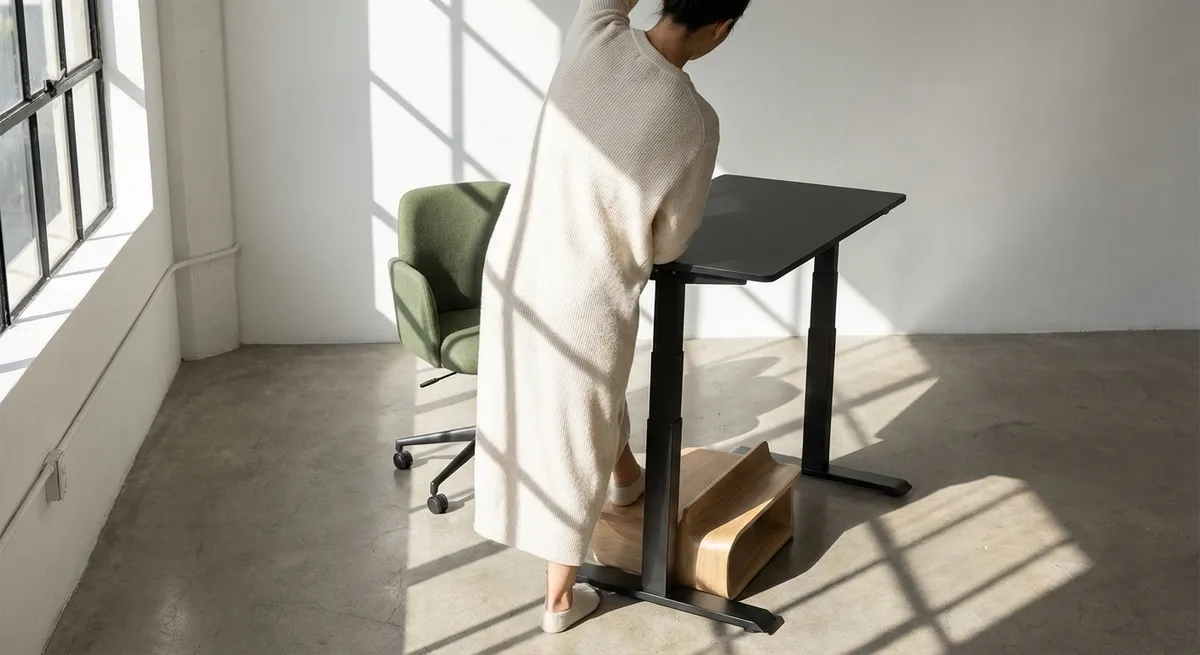
- Standing and sitting as a rhythm, not a debate: If you use a sit–stand desk, rotate positions in defined cycles (for example, 25–30 minutes seated, 10–15 minutes standing), rather than long, heroic stretches of either.
For a spine already sensitized by pain, this “dynamic neutrality” protects tissues from repetitive strain while keeping joints nourished and responsive.
2. Curate the Vertical Line: Eyes, Hands, and Hips in Honest Conversation
Ergonomics is often reduced to chair features and lumbar rolls, but the most powerful corrections are frequently vertical, not horizontal. Imagine a gentle line drawn from your eyes down through your shoulders, elbows, and hips. The closer your daily environment respects this line, the less your back is forced to compensate.
Consider three quiet upgrades:
- Visual horizon discipline: Your primary screen should sit so that the top of the display is at or just below eye level, with your gaze naturally landing in the upper third of the screen. This avoids the slow, grinding neck flexion that often drives upper back and shoulder pain.
- Elbow elegance: When your elbows rest close to your body at about a 90–100° angle, your shoulders stop bracing, and your mid-back no longer acts as a permanent “hanger” for your arms. Adjust your armrests and keyboard position until your forearms can float lightly.
- Hip honesty: Hips slightly higher than knees (rather than level or lower) subtly tips your pelvis forward, encouraging the natural lumbar curve. This is particularly valuable if you’ve had disc issues or prolonged stiffness in the lower back.
When these three layers—eyes, hands, hips—are in conversation rather than conflict, your spine no longer has to twist itself into compromise to bridge the gap.
3. Design “Transit Ergonomics”: The Overlooked Hours Between Places
Most ergonomic advice centers on the office or the home. Yet for many with back issues, some of the worst pain is triggered between spaces: the commute, the quick ride-share, the flight, or even the short drive to the gym. This is transit ergonomics, and it deserves the same level of curation as your desk.
Subtle but decisive refinements:
- Reclaim the car seat: Tilt the seat so your hips are slightly higher than your knees, adjust the backrest to a gentle recline (100–110° rather than bolt upright), and bring the steering wheel toward you so your shoulders remain relaxed—not reaching.
- Carry with intention: Replace a single heavy shoulder bag with a structured backpack or a distributed load (laptop in a slim sleeve; other items in a lighter secondary bag). For existing back issues, asymmetrical loads are a quiet saboteur.
- Upgrade brief waits: In queues, waiting rooms, or at check-in counters, alternate which leg carries more weight, keep your knees soft, and let your spine lengthen upward from your sternum—not by lifting your chin, but by gently “floating” the chest.
When transit hours become strategically neutral instead of cumulatively hostile, your back is less inflamed before you even begin your day’s main work.
4. Use Surfaces as Silent Allies: Floors, Countertops, and Mattresses
People with back pain often obsess over chairs while ignoring the surfaces they stand, move, and sleep on. Those surfaces either participate in your care—or quietly undermine it.
A more refined approach:
- Floor as foundation: At home, favor firmer, more supportive surfaces underfoot, particularly in high-use standing areas like the kitchen or standing desk. A quality anti-fatigue mat or a low-pile rug over a firm base is kinder to your spine than plush, unstable carpets.
- Countertop choreography: If you consistently lean forward when chopping, washing dishes, or doing skincare, your countertop is likely too low for you. A simple tactic: bring the work toward you—raise frequently used items on a cutting board stack or low riser so your spine stays tall and your neck neutral.
- Bedroom as nightly reset: A mattress that is too soft lets your hips sink and your spine twist; one that is too firm may aggravate pressure points and encourage restless, tension-heavy sleep. Many with back issues do well on a medium-firm mattress with a supportive base and a modest comfort layer—supplemented by pillow height tailored to side or back sleeping.
By treating every surface your body meets as part of your ergonomic ecosystem, you transform passive environments into active support structures.
5. Align Tools With Intent: From Kitchen Knives to Phones and Headrests
Sophisticated ergonomics recognizes that discomfort doesn’t just come from the position you’re in, but from the tools you interact with all day. For a back that is already sensitized, misaligned tools can turn ordinary tasks into micro-injuries.
Elevated, tool-focused refinements:
- Phone as posture dictator: Instead of bending your neck toward the phone, bring the phone up toward your eye line, resting your elbows on armrests or a table to offload your shoulders and upper back. For longer calls, default to wired or wireless headsets rather than cradling the phone between ear and shoulder.
- Work tools that meet you halfway: Whether it’s a frequently used scanner at the office, a mixer in the kitchen, or a toolbox in the garage, move high-use items into a “neutral arc”—the space in front of you between mid-chest and mid-thigh height. This reduces repetitive bending, reaching, and twisting that cumulatively strain the spine.
- Headrests and lumbar contours in vehicles and chairs: Adjust the headrest so the back of your head, not your neck, meets the support, and fine-tune lumbar features so they match—not fight—your natural curve. Overly aggressive lumbar bulges can be as problematic as none at all.
When your tools honor your body—not the other way around—back care becomes embedded into the flow of your day, instead of an additional task you must remember.
Conclusion
Exceptional back care is rarely a single, grand intervention. It is the artful editing of angles, surfaces, and routines—the quiet geometry of how you sit, stand, move, and travel. For those already living with back issues, ergonomics becomes less about chasing a mythical “perfect posture” and more about designing environments that give your spine options, not ultimatums.
When you treat your spine as a dynamic line, curate the vertical relationships of your body, refine the in-between spaces of transit, enlist surfaces as silent allies, and insist that tools serve your posture—not distort it—you begin to inhabit a different relationship with pain. Not as a constant adversary, but as finely tuned feedback, guiding you toward a life that is both productive and physically sustainable.
Sources
- National Institute of Neurological Disorders and Stroke – Low Back Pain Fact Sheet – Overview of causes, risk factors, and evidence-based management of low back pain
- Mayo Clinic – Office Ergonomics: Your How-To Guide – Practical guidance on workstation setup and posture, including chair, desk, and monitor recommendations
- Harvard Health Publishing – 4 Ways to Turn Good Posture Into Less Back Pain – Discusses posture, spinal alignment, and strategies to reduce back discomfort in daily life
- Centers for Disease Control and Prevention – Musculoskeletal Disorders and Workplace Factors – Comprehensive review of ergonomic risks and interventions for work-related musculoskeletal issues
- Cleveland Clinic – How to Choose a Mattress for Back Pain – Evidence-informed recommendations on sleep surfaces and their impact on spinal comfort and support
Key Takeaway
The most important thing to remember from this article is that this information can change how you think about Ergonomics.