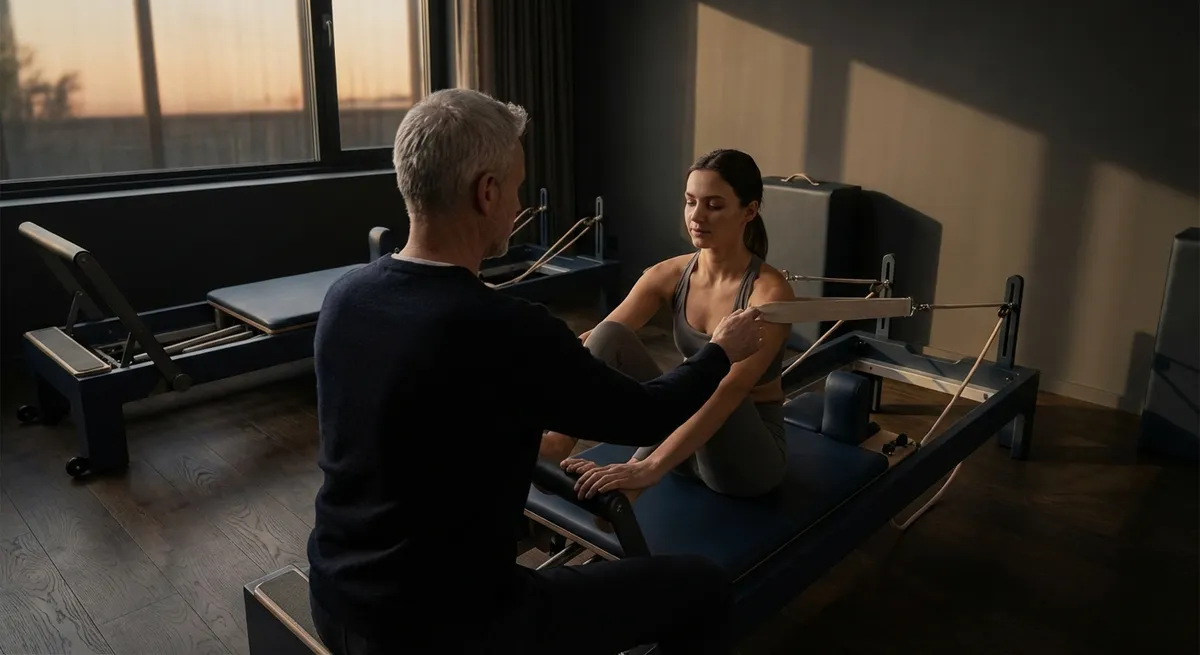
Back pain is no longer just a medical concern; for many high-performing individuals, it is a design problem—one that touches how they move, work, travel, and recover. Exercise therapy offers a rare combination: clinical rigor and day-to-day practicality. When it is approached not as a generic “workout plan,” but as a finely tuned craft, it becomes one of the most powerful instruments for preserving a refined, capable body over decades.
Below, we explore five exclusive, often-overlooked insights that elevate exercise therapy for back care from routine to truly exceptional.
Exercise Therapy as a Long-Term Asset, Not a Short-Term Fix
Most people encounter exercise therapy at a moment of crisis—an acute flare-up, a post-surgical phase, or persistent discomfort that finally overrides denial. In this context, it is tempting to treat the program as a temporary obligation: something to “get through” until the back feels manageable again. This mindset is quietly expensive.
A more sophisticated approach is to view exercise therapy as a long-term asset, akin to an investment portfolio or skincare regimen: structured, progressive, and deliberately maintained. The goal is not simply to extinguish pain, but to cultivate tissue resilience, neuromuscular control, and confidence in movement. When maintained over months and years—even at low weekly doses—exercise therapy functions as an insurance policy against relapse, deconditioning, and fear-driven avoidance of activity.
This asset-based perspective changes behavior. Instead of abandoning exercises once pain subsides, you deliberately transition from “rehab” to “maintenance,” adjusting frequency and intensity while preserving core elements. What begins as a clinical prescription matures into a quiet ritual of body stewardship—less visible than a gym membership, but often far more influential.
Insight 1: Precision Loading Beats Generic Strength
For back care, “getting stronger” is a vague and often misleading goal. Traditional fitness routines may emphasize heavy lifting, abdominal “burn,” or high-intensity intervals—a blunt-force approach that can easily irritate a vulnerable spine. Exercise therapy, by contrast, is about precision loading: applied force that is measured, directionally specific, and strategically progressed.
Precision loading focuses not only on how much you load, but where and how that load is distributed. For example, two people may both perform a hip hinge, but the carefully cued version will intentionally bias the gluteal muscles and deep spinal stabilizers, minimizing unnecessary strain on the lumbar segments. Light loads, executed with impeccable alignment and control, can generate profound therapeutic benefits—often more than heavier training performed with compensations.
This approach also respects the concept of “tissue tolerance.” Instead of pushing into pain because “no pain, no gain,” you work just below the threshold of aggravation, gradually expanding what your tissues can comfortably tolerate. Over weeks, small increments in load or range of motion compound into a resilient back that can participate fully in life without protest.
Insight 2: Micro-Adjustments in Form Can Transform Outcomes
High-quality exercise therapy often looks deceptively simple—from the outside, a movement may appear almost trivial. But subtle adjustments in joint angle, breath, or muscular focus can dramatically change both the safety and effectiveness of the exercise. For the discerning patient, these nuances are where the real luxury lies.
A few examples:
- A few degrees of pelvic tilt can determine whether a bridge exercise targets the glutes effectively or merely irritates the lower back.
- Aligning the ribcage over the pelvis during standing work can either compress the lumbar region or invite length and support from the deep core.
- A slow, lengthened exhale can reduce protective muscle guarding, allowing access to deep stabilizers that remain unreachable under tension.
These micro-adjustments are not aesthetic; they are biomechanical. They refine load paths through the spine, ensuring that the exercise strengthens the right structures rather than reinforcing faulty patterns. Working with a skilled physical therapist or exercise specialist—someone who can notice and correct these details—is often the difference between “I tried PT and it didn’t help” and “This changed how my back feels in everything I do.”
For individuals accustomed to tailored experiences, this level of coaching and personalization is the exercise equivalent of bespoke tailoring: the garment is the same category, but the fit is incomparable.
Insight 3: Nervous System Calibration Is as Important as Muscle Strength
Traditional conversations about therapy center on muscles, joints, and discs. Yet one of the most refined aspects of exercise therapy for back care is its influence on the nervous system—how the brain interprets and responds to movement and sensation.
When pain has been present for months or years, the nervous system often becomes sensitized. Movements that are objectively safe may still feel threatening. Muscles may brace involuntarily, not because the spine is structurally at risk, but because the nervous system has learned to anticipate danger. In this context, purely mechanical strengthening is incomplete.
Calibrated exercise therapy uses controlled, non-threatening movement to gradually retrain the brain’s interpretation of back-related signals. Gentle, repeated exposure to previously feared positions—such as bending, twisting, or reaching overhead—can reduce alarm responses over time. The exercises become not just physical training, but graded exposure for the nervous system: “evidence” that the back can move without catastrophe.
This is why pacing, breath, and a sense of safety are so heavily emphasized in sophisticated programs. When your nervous system feels secure, muscles cooperate instead of guarding; motor control improves; pain often decreases even before structural changes occur. The outcome is not only a stronger back, but a calmer one—less reactive, more reliable.
Insight 4: Consistency Is More Influential Than Intensity
Those who are ambitious in other arenas often approach rehab with similar intensity: long sessions, complex exercises, aggressive goals. Yet for back care, restraint is frequently the more intelligent luxury. The body responds far better to consistent, repeatable input than to sporadic heroic efforts.
In practical terms, this means:
- Short, well-executed sessions—10 to 20 minutes—performed most days of the week can outperform a single, exhaustive weekend effort.
- A modest selection of exercises practiced with technical excellence typically yields more benefit than a constantly rotating, elaborate program.
- Pain flares are less likely when loads are increased gradually and predictably, rather than in erratic surges.
From a lifestyle standpoint, this is freeing. Instead of reorganizing your life around hours of rehab, you integrate a brief, non-negotiable practice into your day—perhaps after your morning shower, between meetings, or as an evening decompression ritual. Over time, the habit becomes as routine as dental care: not dramatic, but indispensable.
For high-responsibility individuals, this sustainability is crucial. The most sophisticated exercise therapy plan is not the one that looks impressive on paper, but the one you can actually live with—quietly, consistently, indefinitely.
Insight 5: Integration into Real Life Is the Ultimate Test
An often-missed hallmark of exceptional exercise therapy is its focus on transfer: does your back feel and function better in the real scenarios that matter to you? Whether it is long-haul flights, intense workdays, caring for children, or high-level sport, the quality of your program should ultimately be judged by performance in your actual life, not just in the clinic.
This is where personalization becomes non-negotiable. Someone whose primary stressor is extended sitting requires a different emphasis than someone whose problem emerges during golf rotation or ballet extension. While foundational principles—core control, hip strength, mobility where needed—apply broadly, the final phases of therapy should mirror your specific demands.
For example:
- The frequent flyer may practice loaded carries and spinal decompression strategies that can be discretely performed in an airport lounge or hotel room.
- The executive may incorporate standing-based mobility and micro-break drills tailored to boardroom and desk settings.
- The recreational athlete may progress to rotational and impact-preparation drills that restore confidence in sport-specific movement.
When exercise therapy is integrated this way, it no longer feels like an external “program” but an intelligent thread woven through your habits. Your back is not merely pain-managed; it is deliberately supported in the environments where you ask the most of it.
Conclusion
Exercise therapy for back care, at its most refined, is not a quick-fix routine of generic stretches and strengthening. It is a disciplined craft that blends precision loading, subtle form refinement, nervous system recalibration, sustainable consistency, and real-world integration. For those who demand longevity from their bodies—quiet strength, reliable comfort, and dignified movement over decades—this approach is less a treatment than an ongoing standard of care.
By treating exercise therapy as an enduring asset and embracing its finer details, you transform your relationship with your back from crisis management to curated preservation. The result is not only less pain, but a body that moves with the kind of understated confidence that never goes out of style.
Sources
- Mayo Clinic – Back pain: Self-care - Overview of evidence-based strategies for managing back pain, including exercise and self-care principles.
- National Institute of Neurological Disorders and Stroke (NINDS) – Low Back Pain Fact Sheet - Summarizes causes, treatments, and the role of physical activity and rehabilitation for low back pain.
- American College of Physicians – Noninvasive Treatments for Acute, Subacute, and Chronic Low Back Pain - Clinical guideline emphasizing exercise and other non-invasive therapies for back pain management.
- Harvard Health Publishing – How to Relieve Back Pain - Discusses lifestyle, exercise, and movement strategies for alleviating and preventing back pain.
- Cochrane Review – Exercise therapy for chronic low back pain - Research synthesis on the effectiveness of exercise therapy in chronic low back pain.
Key Takeaway
The most important thing to remember from this article is that this information can change how you think about Exercise Therapy.