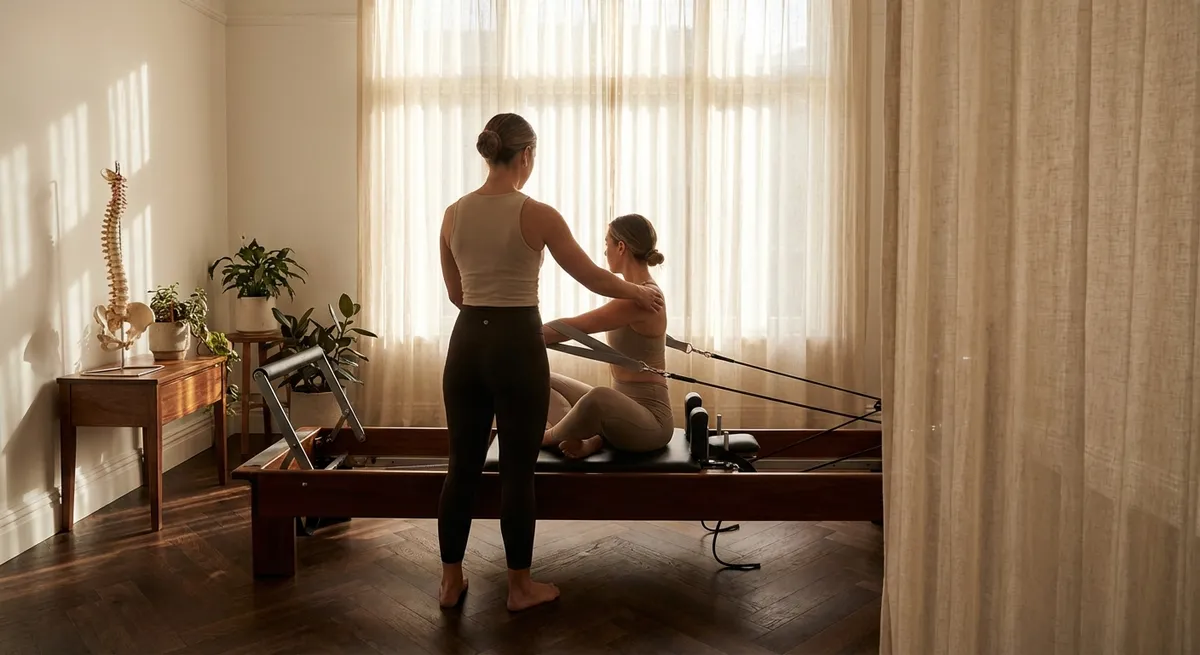
Back pain may be commonplace, but the way you respond to it does not have to be. Exercise therapy, at its finest, is not a generic routine; it is a tailored, evolving conversation between your body, your nervous system, and your daily life. For those who value thoughtful refinement over quick fixes, a well‑designed exercise program becomes less about “working out” and more about curating how your spine moves, rests, and adapts over time.
Below are five exclusive, often-overlooked insights that elevate exercise therapy from simple rehabilitation to a more cultivated practice of back care.
1. Your Nervous System Is the First Client, Not Your Muscles
Most people think of exercise therapy as a means to “strengthen the back.” In reality, your nervous system is the first and most discerning client. Pain is not simply a measure of tissue damage; it is a protective alarm system shaped by stress, sleep, past injuries, beliefs about pain, and even your sense of safety in movement.
A refined exercise program therefore begins gently, with movements that feel unthreatening and repeatable. Slow spinal rotations, controlled pelvic tilts, or supported hip hinges are not trivial—they are neurological negotiations. Each repetition is a subtle reassurance to your brain that movement is safe, gradually reducing sensitivity and fear-avoidance patterns.
This is why two people with nearly identical MRI findings can report radically different levels of pain: their nervous systems are telling different stories. Premium back care respects this complexity. The exercises you choose, the pace you move at, and even the breathing you pair with each movement are all curated to convince your nervous system to downshift from alarm to trust.
2. Micro-Loading: The Elegant Alternative to “No Pain, No Gain”
Traditional fitness culture celebrates intensity: more weight, more repetitions, more sweat. Exercise therapy for a vulnerable spine requires a more nuanced lens. The concept of micro-loading—introducing extremely small, deliberate increases in challenge—is often where real progress happens.
Micro-loading is less about dramatic jumps in resistance and more about subtle progressions: adding a folded towel under your hand in a plank to change the angle, holding a bird-dog position for three extra seconds, or progressing from two points of support to one. These shifts are small enough to be tolerated, yet meaningful enough to nudge your tissues to adapt.
For people with back issues, this approach respects fluctuating pain levels, work demands, and sleep quality. It allows for progress even on “less-than-ideal” days. Over weeks and months, these small increments accumulate into significant changes in strength, control, and confidence—without triggering the boom‑and‑bust cycles that often accompany aggressive training plans.
3. The “Signature Movement Profile”: Designing Around How You Live
A sophisticated exercise program is not copied from a chart on a clinic wall; it is built around the way you actually live, work, and unwind. Think of it as your “signature movement profile”—a personalized blueprint that acknowledges your specific loading patterns, postures, and habits.
If you travel frequently, your spine spends hours in constrained seating; your exercises should counter prolonged flexion with gentle extension, hip mobility, and circulation-boosting routines that can be performed in a hotel room. If your workday revolves around screens, your program might emphasize thoracic mobility, scapular control, and subtle exercises that can be woven seamlessly into short breaks.
Instead of prescribing a generic “core routine,” a refined therapist studies how you sit, lift, sleep, and even carry your bags. The result is a highly curated exercise menu that feels relevant, not random. This personalization not only improves adherence but also ensures that every repetition serves a purpose: to rebalance the specific demands you place on your spine.
4. Precision Breathing as a Structural Support System
Breathing is often treated as an afterthought in exercise, but for back care it is structural. The diaphragm, deep abdominal muscles, pelvic floor, and spinal stabilizers create a dynamic pressure system that supports your spine from within. When that system is well-coordinated, your back experiences less strain with every movement.
In refined exercise therapy, breathing is not simply “inhale, exhale.” It is paired deliberately with movement. For instance, exhaling during the effort phase of a bridge or controlled roll-down can help activate deep stabilizers and prevent you from bracing excessively with superficial muscles. Slow nasal breathing between sets can lower sympathetic arousal, which in turn can reduce pain sensitivity and muscle guarding.
Over time, this integration of breath and movement translates into a quieter, more efficient spine during day-to-day tasks—lifting groceries, stepping off a curb, or rotating to reach for something behind you. Your back no longer works alone; it becomes part of a coordinated, pressure-managed system.
5. Refinement Over Time: Treating Your Routine Like a Tailored Wardrobe
The most overlooked element of exercise therapy is not the starting plan—it is how often and how intelligently that plan is updated. A truly premium approach to back care treats your exercise program like a tailored wardrobe: what fit you perfectly six months ago may now be constraining or outdated.
As your pain changes and your confidence grows, your exercise therapy should evolve in three key directions: complexity, load, and context. Complexity might involve adding rotational control to previously linear movements. Load might increase subtly as your tolerance improves. Context might shift from the clinic to your actual environments—your office, your home, your travel routine.
Regular “fit checks” with a skilled professional—whether in person or via telehealth—allow for these refinements. This prevents stagnation, reduces the risk of overuse from repeating the same few exercises indefinitely, and ensures your spine is prepared not just for current demands, but for the ones you anticipate in the future: a longer trip, a new sport, or a more demanding phase at work.
Conclusion
Exercise therapy for back care is most powerful when it moves beyond generic prescriptions into the realm of precise, responsive design. By prioritizing the nervous system, embracing micro-loading, honoring your unique movement profile, integrating breath as structural support, and refining your plan over time, you create more than a routine—you cultivate a long-term relationship with your spine built on respect, awareness, and intelligent progression.
For those who value subtlety over spectacle, this is where true back care lives: in the quiet sophistication of movements chosen with intention, practiced with patience, and evolved with care.
Sources
- [National Institute of Neurological Disorders and Stroke: Low Back Pain Fact Sheet](https://www.ninds.nih.gov/health-information/disorders/low-back-pain) – Overview of causes, mechanisms, and modern understanding of low back pain
- [American Physical Therapy Association – Physical Therapy Guide to Low Back Pain](https://www.choosept.com/guide/physical-therapy-guide-low-back-pain) – Describes how exercise-based physical therapy helps manage and prevent back pain
- [Harvard Health Publishing – How to Ease Back Pain Through Exercise](https://www.health.harvard.edu/pain/how-to-ease-back-pain-through-exercise) – Discusses the role of tailored exercise and core stability in back pain relief
- [National Institute for Health and Care Excellence (NICE) – Low Back Pain and Sciatica in Over 16s](https://www.nice.org.uk/guidance/ng59) – Evidence-based guidelines recommending exercise as a core component of back pain management
- [Mayo Clinic – Back Pain: Self-care](https://www.mayoclinic.org/diseases-conditions/back-pain/manage/ptc-20369925) – Practical guidance on activity, exercise, and self-management strategies for back pain
Key Takeaway
The most important thing to remember from this article is that this information can change how you think about Exercise Therapy.