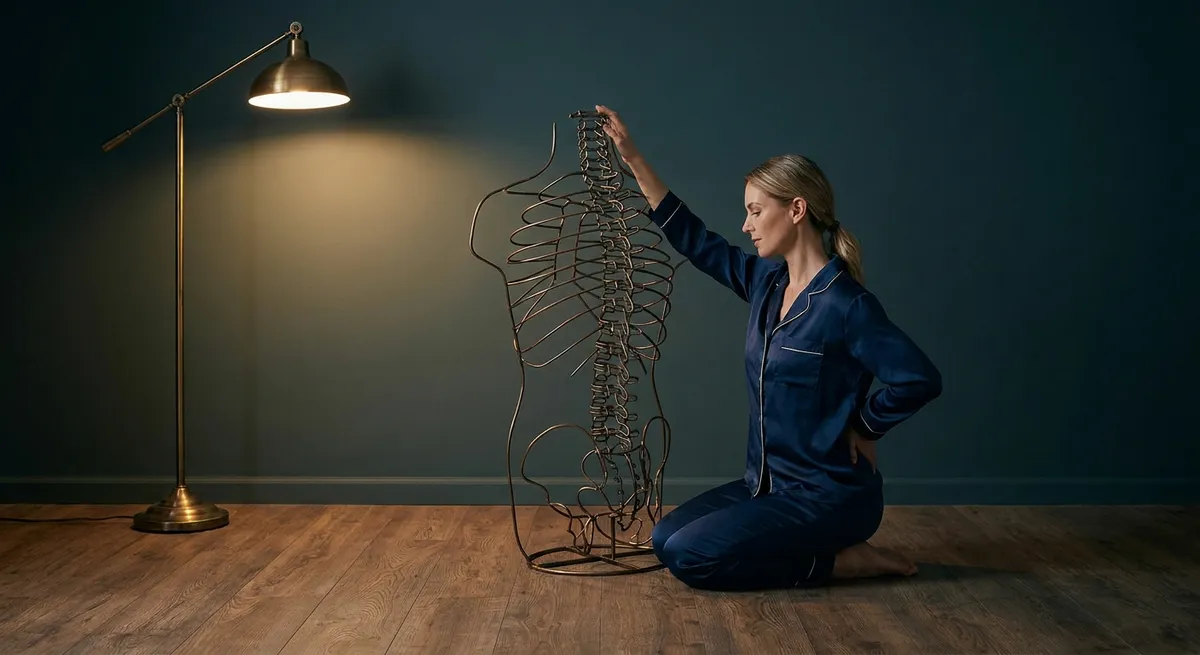
Back pain has a way of shrinking your world. Flights feel longer, meetings feel heavier, and even the simplest rituals—pouring coffee, tying shoes—can begin to feel strategically negotiated. Yet modern pain management, when approached with discernment and intention, can become less about “getting through the day” and more about designing a life where back comfort is quietly protected, not endlessly chased.
This is not about quick fixes or heroic stretches at midnight. It is about cultivating a refined, evidence-informed relationship with pain—one that respects the nervous system, honors the body’s thresholds, and privileges subtle precision over dramatic gestures. Below are five exclusive, often under-discussed insights for individuals who expect more from their back care than generic advice and mass-market solutions.
Pain as Data, Not Drama
For many, pain is experienced as an emergency—an alarm that must be silenced at any cost. Yet the nervous system is more nuanced than a simple on/off switch. Pain is not a perfectly accurate measure of tissue damage; it is an opinion rendered by your brain, influenced by context, stress, sleep, mood, and prior experiences.
Viewing pain as data rather than drama changes how you respond to it. Instead of reacting with panic or complete rest, you can ask: What is this discomfort trying to communicate? Is it signaling overload, poor recovery, or simply unfamiliar movement? This mindset encourages collaboration with your body rather than conflict—and can prevent the cycle of fear, immobility, and further sensitivity.
In practice, this looks like tracking patterns rather than catastrophizing spikes. Noting when and where pain appears, what precedes it (long sitting, poor sleep, stress-heavy days), and what reliably soothes it (gentle walking, heat, mindful breathing) builds a personal “pain profile.” Over time, you begin to distinguish between warning signs that require medical evaluation (such as new weakness, numbness, or changes in bladder/bowel function) and manageable fluctuations in a sensitized but essentially safe back.
This reframing doesn’t deny your experience—it refines it. Pain becomes a guide that you negotiate with, not a dictator that controls every decision.
The Quiet Power of Load “Dialing,” Not All-Or-Nothing Rest
Traditional advice often defaults to extremes: either push through the pain or stop everything. Refined pain management understands that backs rarely thrive at the extremes of complete rest or relentless effort. The opportunity lies in dialing your physical load, not flipping it on or off.
“Load” is any demand placed on your spine and its supporting structures—sitting, lifting, walking, prolonged standing, even certain sleeping positions. Rather than eliminating movement when pain appears, a more elegant approach is to gently reduce intensity, duration, or frequency while maintaining circulation and muscle engagement.
For example, instead of abandoning your daily walk when your back protests, you might shorten the distance, slow the pace, or break it into two smaller walks with recovery in between. Office days can be redesigned so that long meeting blocks are interspersed with intentional micro-breaks: 90 seconds of standing, a slow hallway stroll, or simply changing how you’re seated. You’re not “stopping” activity—you’re curating it.
This calibrated approach offers two critical advantages. First, it reduces the risk of deconditioning, which often worsens pain over time. Second, it teaches your nervous system that movement is not a threat—but rather a safe, predictable, and controllable experience. The goal is not to avoid all pain forever, but to avoid overwhelming spikes while gradually restoring confidence in your body’s capacity.
Precision Comfort: Small Adjustments, Outsized Relief
Many people reach for large, expensive interventions—new mattresses, elaborate chairs, or dramatic posture “corrections”—while overlooking the value of precise, modest adjustments consistently applied. In back pain management, refinement often lives in the small details.
Consider three underappreciated micro-interventions:
- Tension audits throughout the day. Instead of chasing “perfect posture,” periodically scan for excess tension: clenched jaw, elevated shoulders, braced abdominal wall, or rigid lower back. Gently releasing these can reduce the background noise your nervous system constantly processes. A spine supported by relaxed, responsive muscles is very different from one held by constant, unconscious bracing.
- Temperature as a tool, not an afterthought. Many individuals default to heat, yet alternating heat and cold—or using them strategically—can be more effective. Gentle heat can soften muscular guarding and foster comfort before activity, while brief, well-tolerated cold applications can influence inflammation and modulate pain signaling after demanding days. The sophistication lies in timing and moderation, not extremes.
- Micro-positioning in rest. Rather than searching endlessly for the mythical “perfect sleeping position,” explore subtle enhancements: a small pillow under the knees when supine, a folded towel supporting the waist when side-lying, or adjusting pillow height to keep the neck aligned with the spine. Tiny positional changes can redistribute load, decrease night-time irritation, and improve the quality of restorative sleep—arguably one of the most powerful, yet overlooked, pain modifiers.
These refinements do not require a complete redesign of your environment, only a more observant and deliberate interaction with it.
Nervous System Ease: Luxury as Reduced Sensory Noise
For many people with back pain, the true luxury is not a spa weekend—it is a nervous system that is not constantly on high alert. Modern life, however, batters the senses: persistent notifications, demanding schedules, and minimal recovery. Each of these elements can amplify pain perception without changing the spine itself.
Pain science research increasingly highlights the role of the central nervous system in chronic pain. A sensitized nervous system tends to interpret even modest inputs as threatening. The solution is not to become fragile, but to become strategic in how you lower your system’s overall noise floor.
This can include:
- Deliberate transitions between roles. Before moving from a demanding workday to family or social obligations, many people shift abruptly. A refined pain practice might involve a two-minute transition ritual—slow breathing, gentle neck and shoulder movement, or simply quiet stillness—to signal to the nervous system that the intensity of the day is receding.
- Quality of attention during movement. Walking while scrolling, stretching while answering emails, or exercising while mentally rehearsing a meeting keeps the system in a cognitive high gear. Instead, dedicating even a few minutes to singularly focused movement (without devices or multitasking) allows your brain to fully register the experience as safe, rhythmic, and restorative—input that can gradually recalibrate pain sensitivity.
- Sleep as a non-negotiable therapeutic intervention. Poor sleep amplifies pain, and pain disrupts sleep, creating a self-perpetuating loop. Investing in a consistent wind-down routine, minimizing late-evening stimulants, and preserving a stable sleep schedule are not lifestyle luxuries; they are central pillars of sophisticated pain control.
When you frame nervous system ease as an intentional, daily practice, pain management stops being reactive. Instead, your entire lifestyle begins to communicate the same message to your spine and your brain: you are safe enough to soften.
Elegance in Collaboration: Curating Your Clinical Support
Exceptional back care is rarely a solo pursuit. Yet many people interact with healthcare in brief, rushed snapshots: a prescription here, a scan there, occasional physical therapy when things flare. A more elevated approach to pain management treats clinical support as a curated, ongoing partnership—not a fragmented series of emergencies.
This begins with choosing practitioners who respect both science and subtlety: professionals comfortable discussing imaging results in context (acknowledging that many spinal “abnormalities” are common and not always the source of pain), who invite your questions, and who are willing to co-design—not dictate—your care plan. Disciplines may include a primary care physician, a spine-savvy physical therapist, and, when indicated, a pain specialist or psychologist with experience in pain coping strategies.
Refined collaboration also means being intentional about interventions. Medications, injections, and procedures have a place, but they work best when embedded in a broader strategy that includes movement, stress modulation, sleep optimization, and education about pain. Rather than chasing the next intervention, you and your team can focus on building a stable foundation of daily practices, with more invasive options as thoughtful complements rather than standalone solutions.
Finally, an elegant pain plan factors in time. Recovery—particularly from persistent back pain—is rarely linear. There will be quieter weeks and louder ones. A premium approach does not crumble with a setback; it anticipates fluctuation and focuses on long-term capacity over short-term perfection.
Conclusion
Back pain can feel anything but refined. It can be raw, disruptive, and deeply personal. Yet the way you respond to it—the lens you apply, the daily decisions you protect, the professionals you invite into your orbit—can be remarkably sophisticated.
When pain becomes data rather than drama, when movement is dialed instead of abandoned, when small positional refinements are valued as much as large purchases, when you actively lower the noise for your nervous system, and when you collaborate carefully with expert clinicians, pain management transforms. It becomes less about enduring discomfort and more about composing a life that consistently, quietly, and intelligently supports your spine.
Relief, in this context, is not a single turning point. It is a series of precise, considered choices that honor both the complexity of pain and the possibility of comfort.
Sources
- National Institutes of Health – Low Back Pain Fact Sheet - Overview of causes, diagnosis, and evidence-based treatment options for low back pain
- American College of Physicians – Clinical Practice Guideline for Low Back Pain - Evidence-based recommendations on noninvasive and pharmacologic therapies for low back pain
- Harvard Health Publishing – Understanding Pain as a Brain Process - Explains how the brain and nervous system influence pain perception
- Mayo Clinic – Chronic Pain: Medication Decisions - Discusses appropriate, balanced use of medications in chronic pain management
- Cleveland Clinic – Back Pain: Symptoms, Causes, and Treatment - Comprehensive resource on back pain mechanisms, risk factors, and treatment strategies
Key Takeaway
The most important thing to remember from this article is that this information can change how you think about Pain Management.