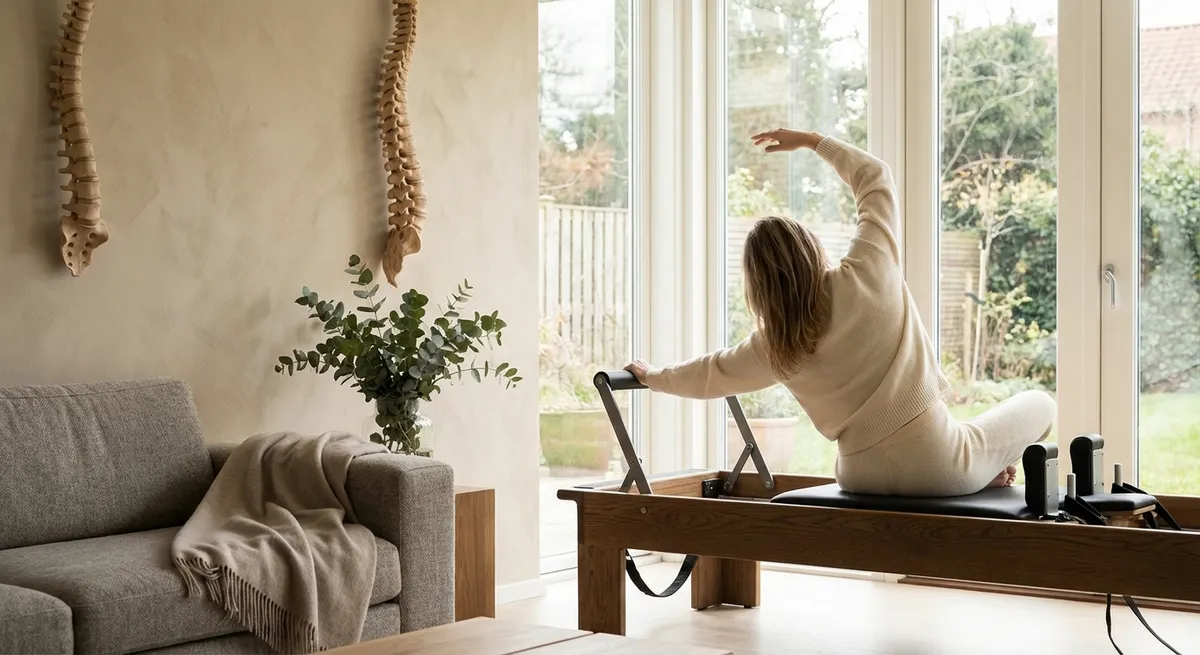
Back care is often framed in terms of crisis—flare‑ups, scans, and emergency appointments. Yet for many discerning readers, the true ambition is different: to cultivate a back that feels reliable, composed, and capable, even under pressure. This is not about dramatic interventions; it is about elevating the everyday. When you begin to treat your spine as an asset to be curated rather than a problem to be fixed, the entire landscape of back health changes.
Below are five exclusive, often overlooked insights for those who expect more from their bodies—and from their back care.
1. The “Micro-Reserve” Principle: Protecting Your Back Before the Breaking Point
Most people only notice their back when it protests. By then, they are negotiating with pain rather than curating resilience. The micro-reserve principle offers a more refined approach: you deliberately keep a margin of capacity—strength, flexibility, and endurance—between what your spine can do and what you ask it to do.
This margin is built through consistent, low-drama practices: controlled hip hinges with light weights, slow spinal mobility drills, gentle core endurance work that stops before fatigue. Instead of working “to failure,” you stop while you still feel composed and stable. Over time, this creates a subtle yet powerful buffer: your day-to-day demands sit well below your true physical capacity.
The luxury here is not visible. It appears when you lift a suitcase, sit through a long flight, or walk all day on uneven ground—and your back simply absorbs the demand. Micro-reserves turn resilience into something you quietly own, not something you scramble to recover.
2. Precision Rest: Elevating Recovery Beyond Simply “Lying Down”
Rest is often treated as binary: either you are “on” and active, or “off” and horizontal. A more elevated approach is precision rest—strategic, time-bound positions and practices designed to restore the spine rather than merely pause it.
This might mean spending 5–10 minutes in a supported position where your legs are elevated (such as resting calves on a chair) to reduce load on the lumbar spine and let paraspinal muscles soften. It could involve a brief session of diaphragmatic breathing in a side-lying position that allows your ribs and thoracic spine to expand more freely, gently massaging the nervous system out of a guarded state.
What distinguishes precision rest from simple lounging is intention and duration. The goal is not collapse, but recalibration. You return to your day feeling less compressed, more aligned, and better able to move without subtle bracing or tension. For a demanding life, this is a quiet but powerful indulgence.
3. The Sensory Upgrade: Training Your Back’s Internal “GPS”
Most people think of back care in structural terms—discs, vertebrae, muscles. Equally critical, yet rarely addressed with sophistication, is proprioception: your spine’s internal GPS. When your body can finely sense where it is in space, it moves with less strain and more precision.
A sensory upgrade involves slow, highly conscious movements. Segmental cat-cow (articulating each spinal segment deliberately), gentle pelvic clocks (tilting the pelvis in different directions while lying on your back), and controlled rotation of the thoracic spine are not just mobility drills; they are information training for your nervous system.
As your proprioception sharpens, subtle misalignments become detectable earlier—like feeling that one hip is carrying more load when standing, or your ribcage is rotating slightly when you sit. You can then make micro-adjustments long before discomfort escalates into pain. The result is a feeling of being “at home” in your spine: less clumsy, more precise, and quietly confident in your movement.
4. Environment as a Co-Therapist: Curating Spaces That Protect Your Spine
We often talk about ergonomics as a checklist—chair height, monitor level, lumbar support. A more elevated view is to treat your environment as a co-therapist, one that constantly influences how your spine behaves, even when you’re not paying attention.
This might mean positioning your work setup so you naturally alternate between sitting, leaning, and standing across the day, rather than rigidly holding one “perfect” posture. It can involve using textured floor surfaces or subtly unstable standing mats at home to encourage micro-movements in your feet, hips, and spine while you cook or read. Even lighting plays a role: reducing glare and improving ambient light can decrease forward head posture and neck compensation as you strain to see.
Curated environments don’t shout “medical device.” They integrate seamlessly—an elegant, height-adjustable desk, a dining chair with supportive but unobtrusive lumbar contouring, or a thoughtfully chosen lounge chair that encourages neutral spinal stacking rather than slouching. Over time, these spaces quietly remove friction from healthy movement, making back-protective choices feel like the most natural ones.
5. Nervous System Literacy: Calming the Back’s Invisible Amplifier
Sophisticated back care recognizes that pain is not only about tissues; it is also about the nervous system that interprets signals. Stress, poor sleep, and constant digital overload can all heighten sensitivity, turning moderate strain into disproportionate pain. Nervous system literacy is the art of recognizing and modulating this invisible amplifier.
Practices such as slow nasal breathing, brief body scans, and short, deliberate transitions between tasks can downshift your nervous system from a chronic “high alert” state. This is not vague relaxation; it is targeted regulation. When your system is calmer, your back muscles are less likely to stay subtly contracted all day, and your brain is less inclined to interpret normal sensations as threatening.
For someone with a demanding life, this is one of the most exclusive—and underappreciated—forms of back care. It means scheduling recovery with the same intentionality as meetings: a five‑minute breathing interval before a high-stakes call, a short walk without your phone after a long drive, an evening ritual that tells your system it is safe to release. Over time, your back learns that it does not need to brace against every moment of your day.
Conclusion
Truly elevated back care is rarely about a single dramatic fix. It is about layering intelligent, almost understated practices—building micro-reserves, refining rest, sharpening sensory awareness, curating supportive environments, and soothing an over-amplified nervous system. Each of these on its own is modest; together, they create a back that feels less fragile, more capable, and aligned with the way you expect to live.
When you start treating your spine as something to be deliberately cultivated rather than passively tolerated, back health becomes less of a battle and more of a quiet, ongoing investment—one that pays dividends every time you ask your body to keep up with your ambitions.
Sources
- National Institute of Neurological Disorders and Stroke – Low Back Pain Fact Sheet - Overview of causes, risk factors, and treatment approaches for low back pain
- Harvard Health Publishing – 4 Ways to Turn Good Posture into Less Back Pain - Explores posture, ergonomics, and environmental strategies for spine comfort
- Mayo Clinic – Back Pain: Symptoms and Causes - Details on mechanisms of back pain and when to seek medical care
- Cleveland Clinic – Core Exercises - Discusses the role of core endurance and strength in supporting the spine
- American Psychological Association – Stress Effects on the Body - Explains how stress and nervous system activation can influence pain and muscle tension
Key Takeaway
The most important thing to remember from this article is that this information can change how you think about Back Health.